


Koh Tao Diving Tours
@ Simple Life Divers | Koh Tao, Thailand
- 2200 THB
- Two Dives, half-day trip
- Multiple dive tours available each day
- Fully equipped dive boat & quality dive gear
- Rotating round all Koh Tao's best dive sites
- Small groups & enthusiastic dive guides




Fun Diving Tours
Koh Tao is encircled by kaleidoscopic coral reefs, concealed pinnacles, and shipwrecks.
If you are a certified diver you can enjoy our ‘Fun Diving‘ tours.
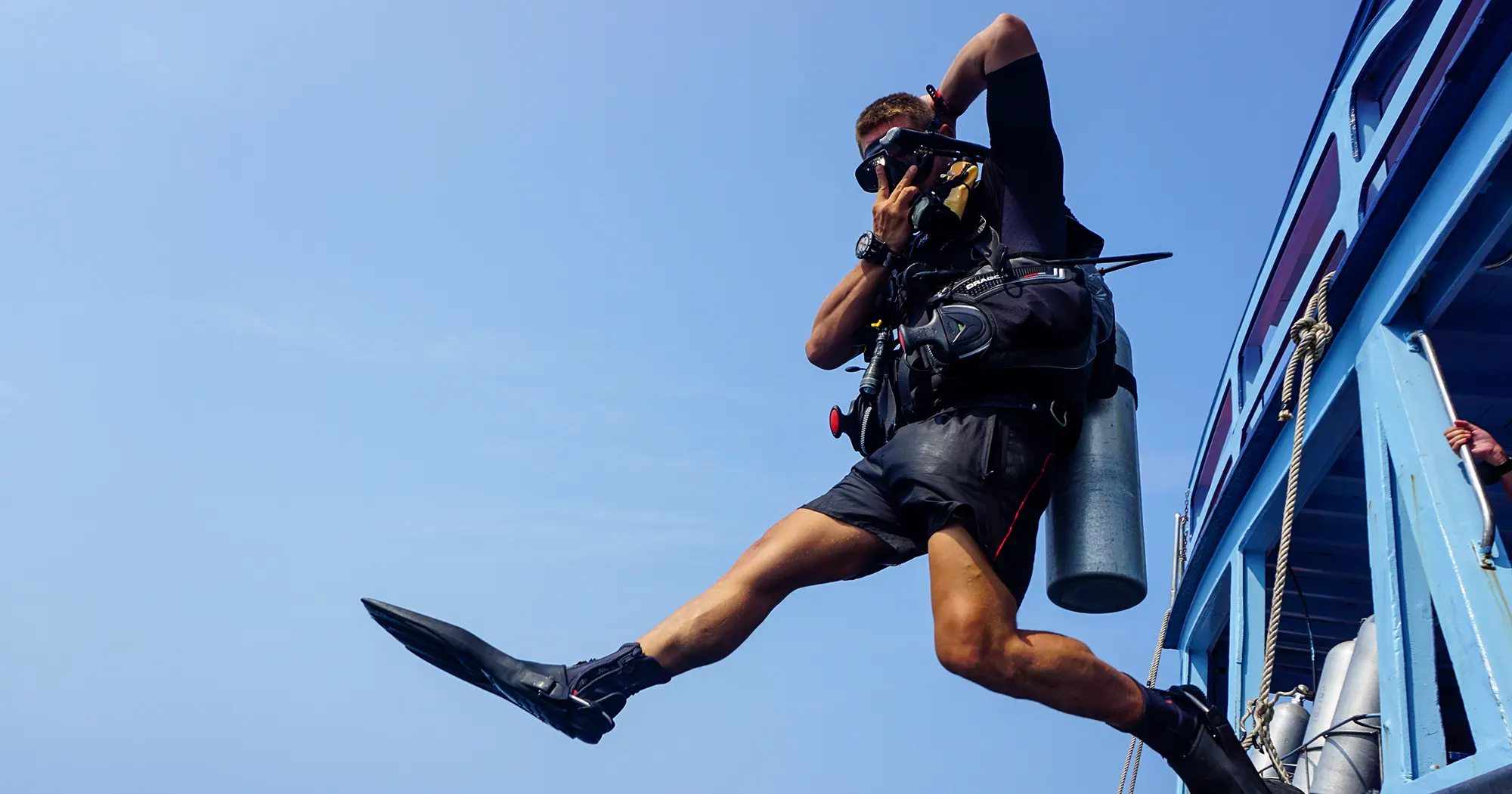
We have two purpose-built dive boats; Downstairs dive deck for gearing up with an onboard compressor, tanks, weights, entry platform, etc., plus upstairs seating & refreshments area for relaxing between dives.
Trips rotate around all of Koh Tao’s best dive sites & we stick to diving in small groups so that our enthusiastic dive guides can ensure everyone enjoys long dives, sees lots of aquatic life and has a great time.
- Morning dive trips explore deep dive sites (such as Chumphon Pinnacles, Southwest, HTMS Sattakut Wreck…). We meet at 7 am & head out for two dives, returning late morning.
- Afternoon dive trips visit shallower coral reefs (Japanese Gardens, Mango Bay, Twins & White Rock, etc.), again making two dives before returning around 5 pm.
You can pick and choose your dive sites each day.
[Plus we can arrange bespoke trips on request.]
Upcoming Dive Trips
(AM & PM dive trips visit two dive sites. Only the first site is listed here – we choose the second dive site based on conditions & visibility.
Dive sites are subject to change depending on sea conditions, weather and demand).
| Date | AM | PM |
|---|---|---|
| Thu, Oct 15 | Southwest Pinnacle | Aow Leuk |
| Fri, Oct 16 | Chumphon Pinnacle | Hin Wong |
| Sat, Oct 17 | Chumphon Pinnacle | White Rock |
| Sun, Oct 18 | Southwest Pinnacle | Japanese Gardens |
| Mon, Oct 19 | Green Rock | Twins |
| Tue, Oct 20 | Shark Island | Mango Bay |
| Wed, Oct 21 | Chumphon Pinnacle | White Rock |
| Thu, Oct 22 | Sail Rock | Aow Leuk |
| Fri, Oct 23 | Sattakut Wreck | Lighthouse |
| Sat, Oct 24 | Chumphon Pinnacle | White Rock |
| Sun, Oct 25 | Southwest Pinnacle | Japanese Gardens |
| Mon, Oct 26 | Green Rock | Twins |
| Tue, Oct 27 | Shark Island | Mango Bay |
| Wed, Oct 28 | Chumphon Pinnacle | White Rock |
| Thu, Oct 29 | Red Rock | Aow Leuk |
| Fri, Oct 30 | Sattakut Wreck | 3 Rocks |
| Sat, Oct 31 | Sail Rock | White Rock |
| Sun, Nov 1 | Southwest Pinnacle | Japanese Gardens |
Koh Tao Dive Conditions Report
13 Oct 2026 | Sail Rock
| Weather | Visibility | Sea State | Current |
|---|---|---|---|
On 13 Oct 2026 at Sail Rock , diving conditions featured overcast skies, moderate underwater visibility, flat seas and only a mild current.
[Daily updates provided by the Simple Life Divers crew]
Recent Weather & Diving Conditions
← Swipe to view more →
| Date | Dive Site | Weather | Visibility | Sea | Current |
|---|---|---|---|---|---|
| 12 Oct | Southwest Pinnacle | ||||
| 10 Oct | Twins | ||||
| 10 Oct | Supharin Wreck | ||||
| 09 Oct | Japanese Gardens | ||||
| 08 Oct | Southwest Pinnacle |
What Our Customers Say
“I have great experience with guys from Simple Life Divers. From front desk to instractor/ lead diver all staff are friendly, knowledge and helpful. All of my dives was quickly amd easly book. During my dives I done refresher open water and fun dives. I had my refresher with Will and my fun dives lead person was Davy. Both off guys what great and helpful made me easy, as I’m still very new to diving. On the each of fun dives in my group was one or two divers doing dive master with them and helping lead diver which was great help. On the boat always was few groups doing diffrent type of dives and all of instructors was happy to help giving helpful types, sharing knowledge and experience. Safety is priority to all staff. Simple Life Divers is great scuba diving shop. I had great time diving with them. When I will be back in Thailand and Koh Toa, I definitely return costumer. High recommended.”
Michal Morkowski
“I have just spent a week diving with Simple Life and enjoyed every dive (16!). I was travelling in a mixed group; 1 friend completed OW, another AOW and I did wreck spec and lots of fun dives with Dave and Pete. They were fun, safe, professional and knowledgeable. The rental gear and boats are well maintained and if you’re up for an early start you can comfortably get 4-5 dives in a day if you are in Koh Tao to dive dive dive. They made a special effort to rotate dive sites and drop in at new sites so I could see as much as possible in the time I had. The vis was great, sealife beautiful and wrecks in a great condition to penetrate if you have/want the training. Thanks so much for a great week and hope to be back one day!”
Sophie Edwards
“Awesome few days diving in an amazing place. Only recently certified and Pete(special shoutout best DM), Cat and Oscar made my first fun dives an absolute blast. From chumphon to southwest to 313 they were super knowledgeable and developed my skills heaps. Could not recommend them any higher. Can’t wait for next time I’ll definitely be back.”
Leon Cleland
“I’m a rescue diver with ~100 dives, and I came down to Koh Tao for some fun dives. I had a blast diving with Simple Life. The dive guides are highly competent, attentive, and trustworthy. It was such a smooth and enjoyable experience. Plus, Dave takes some epic photos!”
Allyson Barry
“I cannot express how great these guys are.
Highly recommend coming out and either learning or going out on fun dives with this crew.
On arrival, Mo greeted us with contagious enthusiasm and offered detailed information about what to expect from our dives. He was very helpful and friendly.
Jade was the dive master for both days and she lead with skill, education, calm presence, and patience.
Simple Divers leaves you wanting more and to take your diving skills to the next level.
Will definitely be coming back to take on their advanced courses.”
Coling Mcfetridge
“Diving with simple life was an 11/10 experience… thanks to my girl JADE!! It was my first time diving in two years so I felt pretty rusty but Jade – cool, calm, and collected – helped bring my confidence back just like that! She even encouraged me to do a fun dive the next day and lo and behold there it was: A WHALE SHARK. Safe to say, if I’m ever in Koh Tao again, I’ll be diving through simple life because … ITS THAT SIMPLE!!!”
Rachael Hudak

Koh Tao Dive Sites
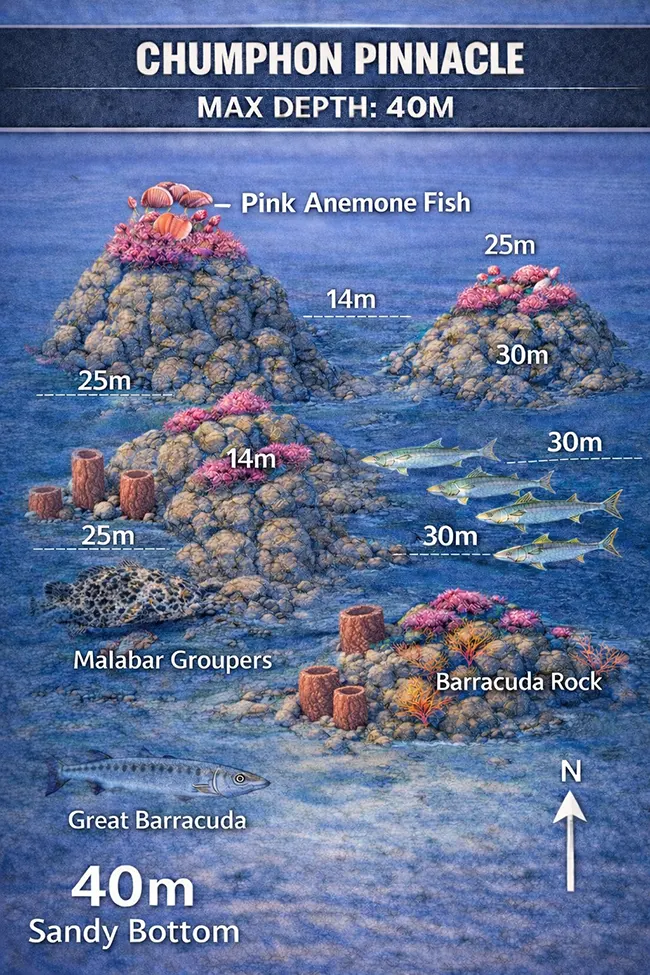
Chumphon Pinnacle – Koh Tao Dive Site
Suitable for: Advanced Open Water Divers
Max Depth: 40 metres
Description
Chumphon Pinnacle is widely regarded as one of the best dive sites around Koh Tao. Located around 10km northwest of Koh Tao, this offshore granite pinnacle rises dramatically from the seabed to around 14 metres below the surface.
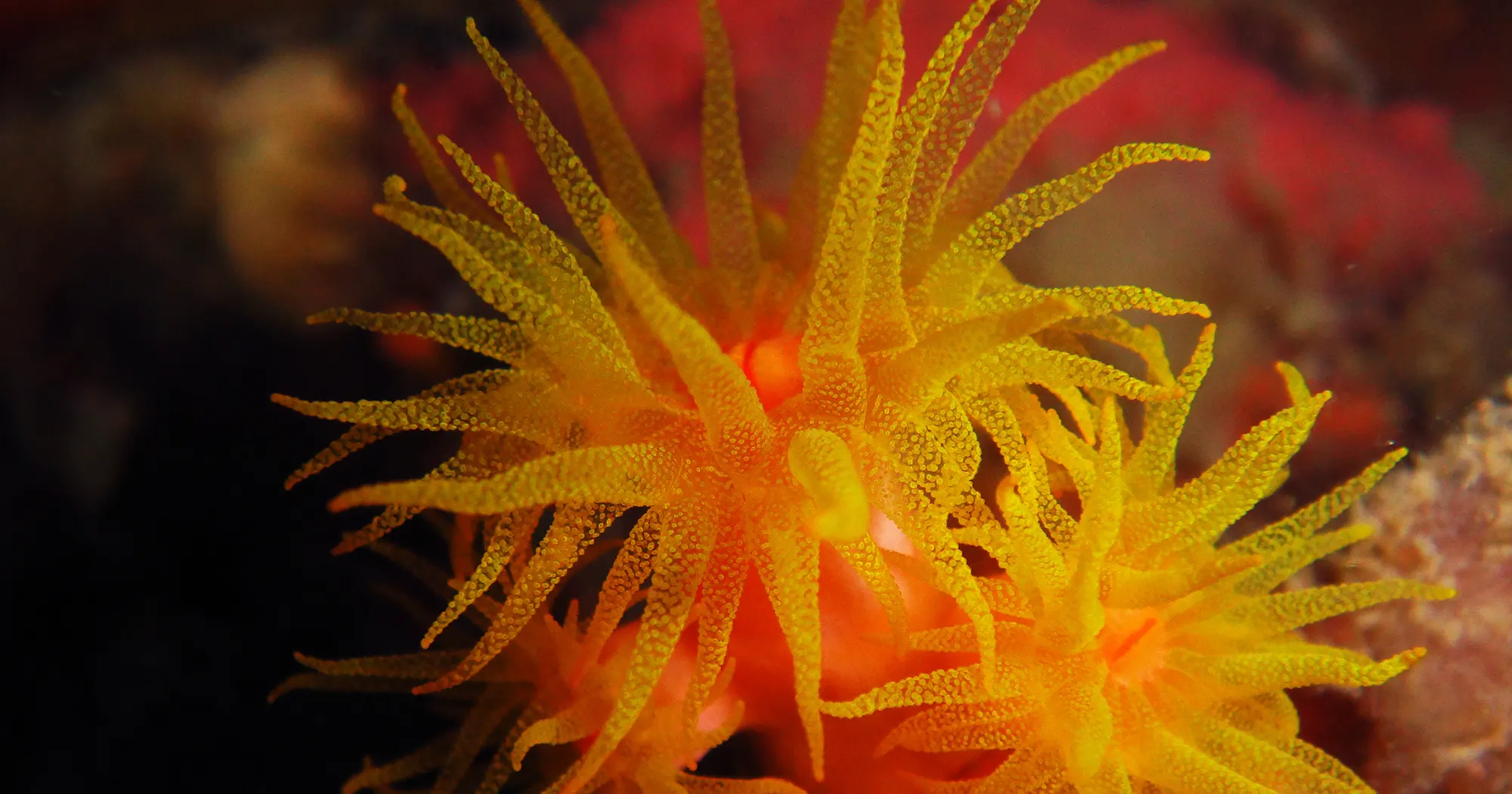
The pinnacle itself is massive and surrounded by several smaller rock formations, creating swim-throughs, ledges and overhangs that make for an exciting exploration dive. The upper sections of the pinnacle are covered in colourful sea anemones and soft corals, creating one of the most vibrant reef ecosystems in the area.
Because of its exposed location, Chumphon Pinnacle often attracts large schools of fish and pelagic visitors, making it one of the top sites for experienced divers looking for bigger marine life.
Marine Life
Huge schools of barracuda are commonly seen circling the pinnacle. Divers can also encounter giant trevally, batfish, groupers, fusiliers, and moray eels. Whale sharks are occasionally spotted passing through the area, making this one of Koh Tao’s most exciting dive sites.
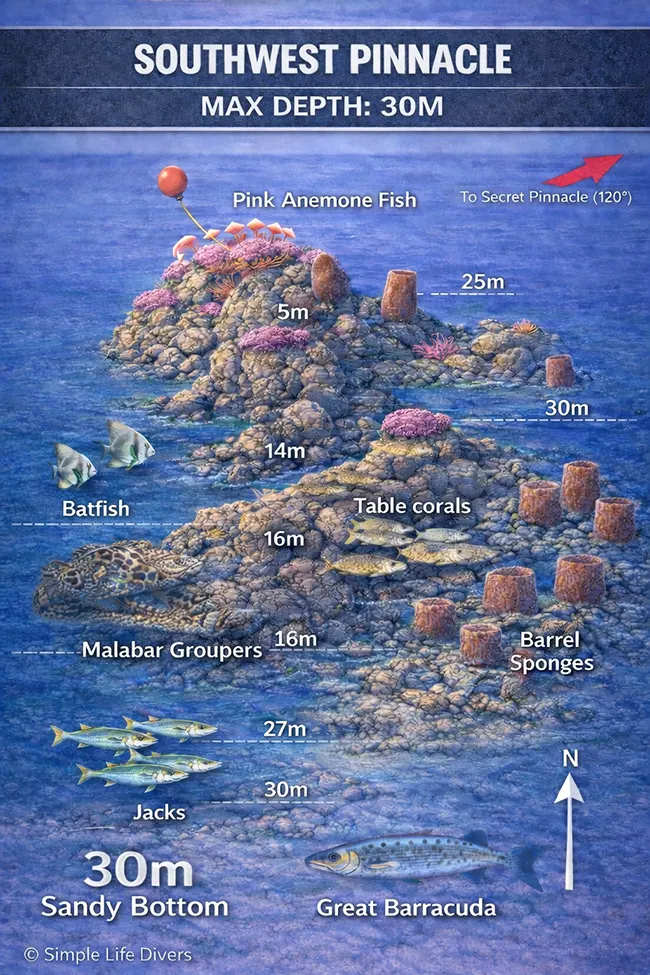
Southwest Pinnacle – Koh Tao Dive Site
Suitable for: Open Water and Advanced Divers
Max Depth: 30 metres
Description
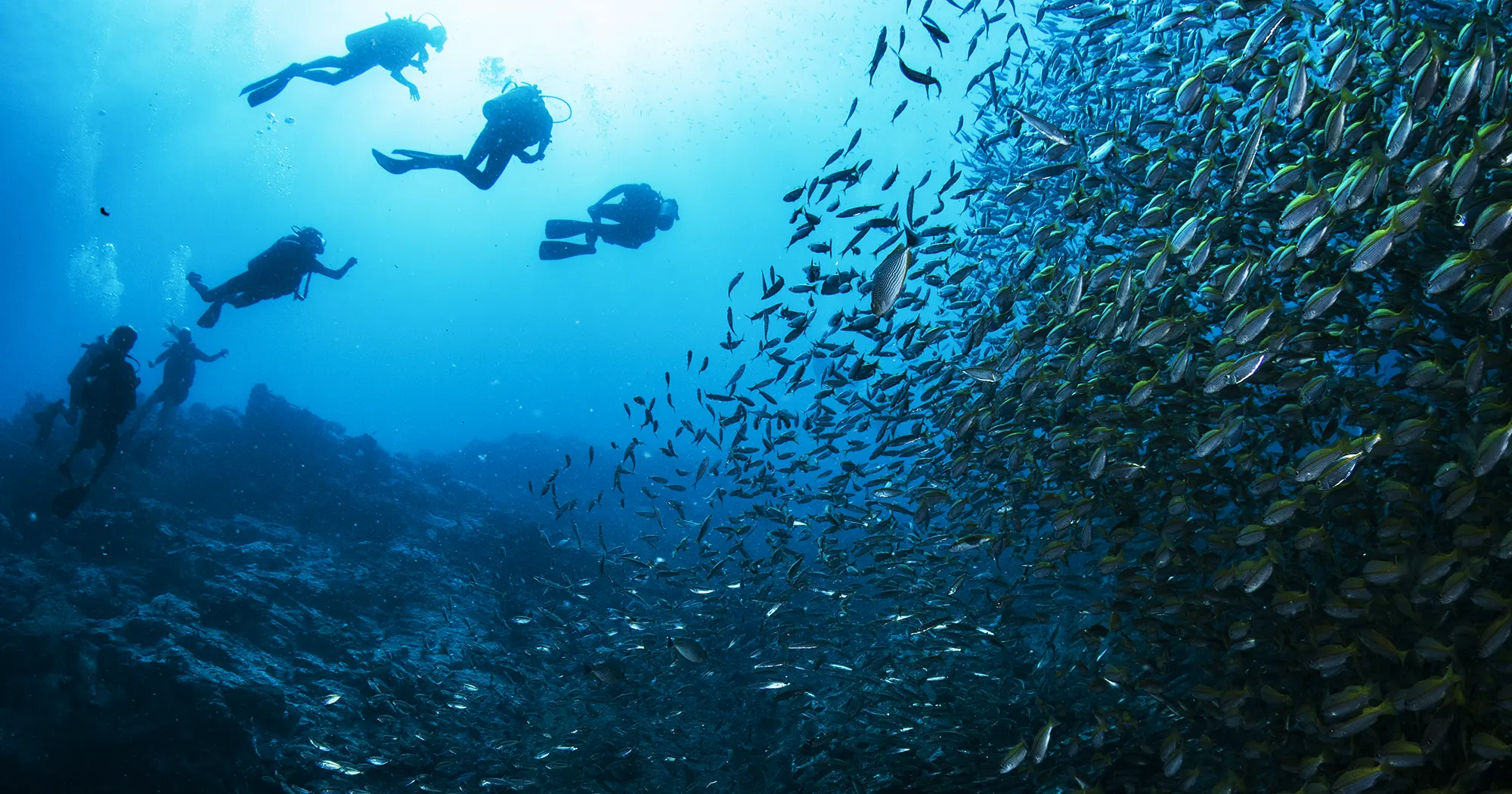
Southwest Pinnacle is another iconic Koh Tao dive site located approximately a one-hour boat ride southwest of the island. Rather than a single rock formation, the site consists of a cluster of seven granite pinnacles rising from the sandy seabed.
Each pinnacle is covered with hard and soft corals and provides slightly different topography, with swim-throughs, cracks and coral-covered ledges. The shallow top of the main pinnacle is carpeted with pink anemones creating a beautiful vista, while deeper areas offer dramatic underwater scenery.
Southwest Pinnacle is known for excellent visibility and abundant fish life, making it a favourite site for fun divers and underwater photographers.
Marine Life
Large schools of fusiliers, snapper and trevally are common. Barracuda, batfish, groupers and sea snakes are often seen, while colourful reef fish inhabit the coral-covered shallows.
Green Rock – Koh Tao Dive Site
Suitable for: Open Water and Advanced Divers
Max Depth: 30 metres
Description
Green Rock is located just north of Koh Tao on the furthest tip of neighboring Koh Nangyuan and is famous for its maze of underwater tunnels and swim-throughs. Large granite boulders create a dramatic underwater landscape filled with cracks, caverns and passageways that divers can explore.
This dive site offers excellent topography and is particularly enjoyable for divers who like exploring rock formations and testing their underwater buoyancy control. The shallow sections are covered with coral growth, while deeper sandy patches host a variety of marine life.
Marine Life
Green Rock is known for titan triggerfish, moray eels and blue-spotted stingrays. Schools of rabbitfish, groupers and angelfish are common, while nudibranchs and scorpionfish can be spotted by attentive divers.
Twins & Buoyancy World – Koh Tao Dive Site
Suitable for: Intro and Open Water Divers
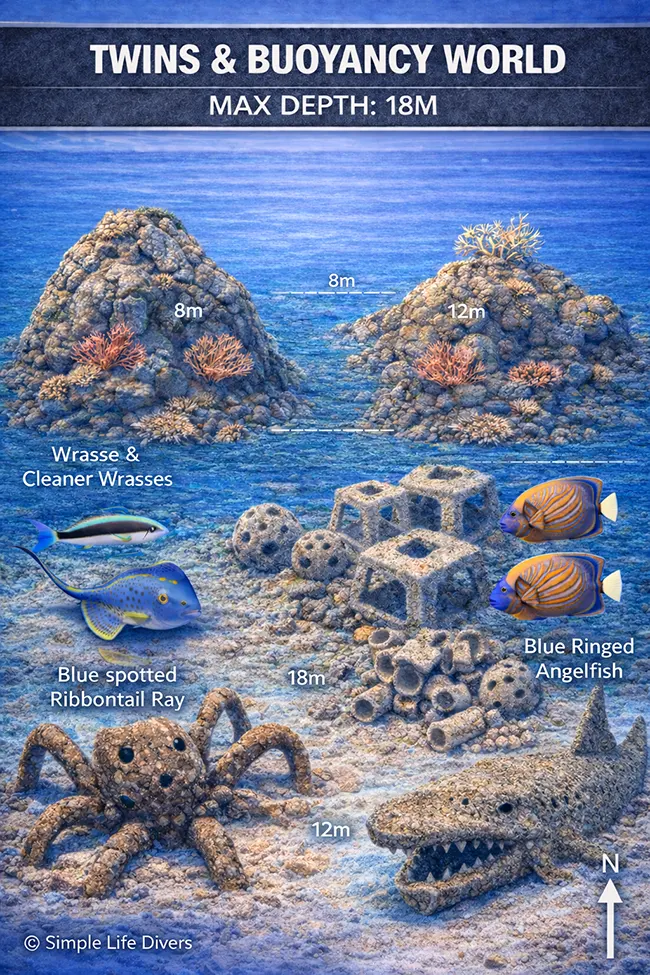
Max Depth: 18 metres
Description
Twins is one of the most popular dive sites on Koh Tao and is widely used for scuba diving courses and beginner dives. The site is named after two large clusters of granite boulders that form the central features of the reef.
The boulders are covered by encrusting corals and scattered smaller coral heads,seperated by sandy channels, creating a relaxed and easy dive environment with plenty to explore. Nearby lies Buoyancy World, an underwater training area featuring hoops used to practice buoyancy control.
Because of its calm conditions and shallow depth, Twins is an ideal dive site for beginners and new divers exploring Koh Tao.
Marine Life
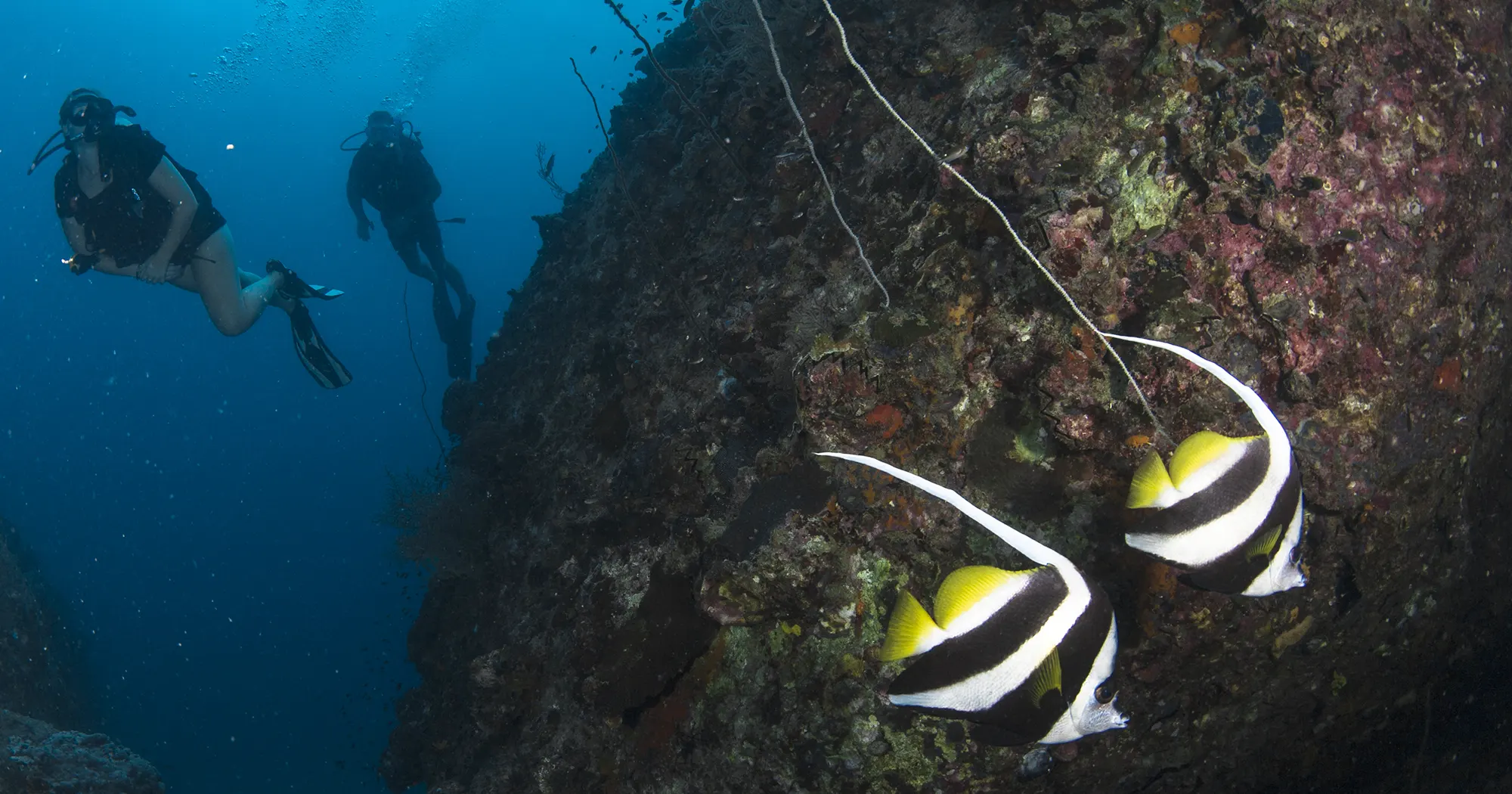
Divers can expect to see butterflyfish, bannerfish, parrotfish and anemonefish. Groupers, moray eels and blue-spotted stingrays are also commonly spotted around the reef.
No Name Pinnacle – Koh Tao Dive Site
Suitable for: Advanced Divers
Max Depth: 25 metres
Description
No Name Pinnacle is a lesser-known dive site located due west of Twins. This granite pinnacle rises from deeper water and offers an exciting dive with steep rock faces. Can be combined in a single dive by transitioning to shallower Twins to complete your safety stop.
Because the site is visited less frequently than some of Koh Tao’s more famous dive sites, marine life is often abundant and undisturbed. The rocky structure provides plenty of crevices and ledges where reef creatures hide.
The deeper sections of the pinnacle make it most suitable for experienced divers.
Marine Life
Barracuda, trevally and groupers are often seen cruising around the pinnacle. Moray eels, nudibranchs and reef fish inhabit the rock formations.
Shark Island – Koh Tao Dive Site
Suitable for: Open Water and Advanced Divers
Max Depth: 28 metres
Description
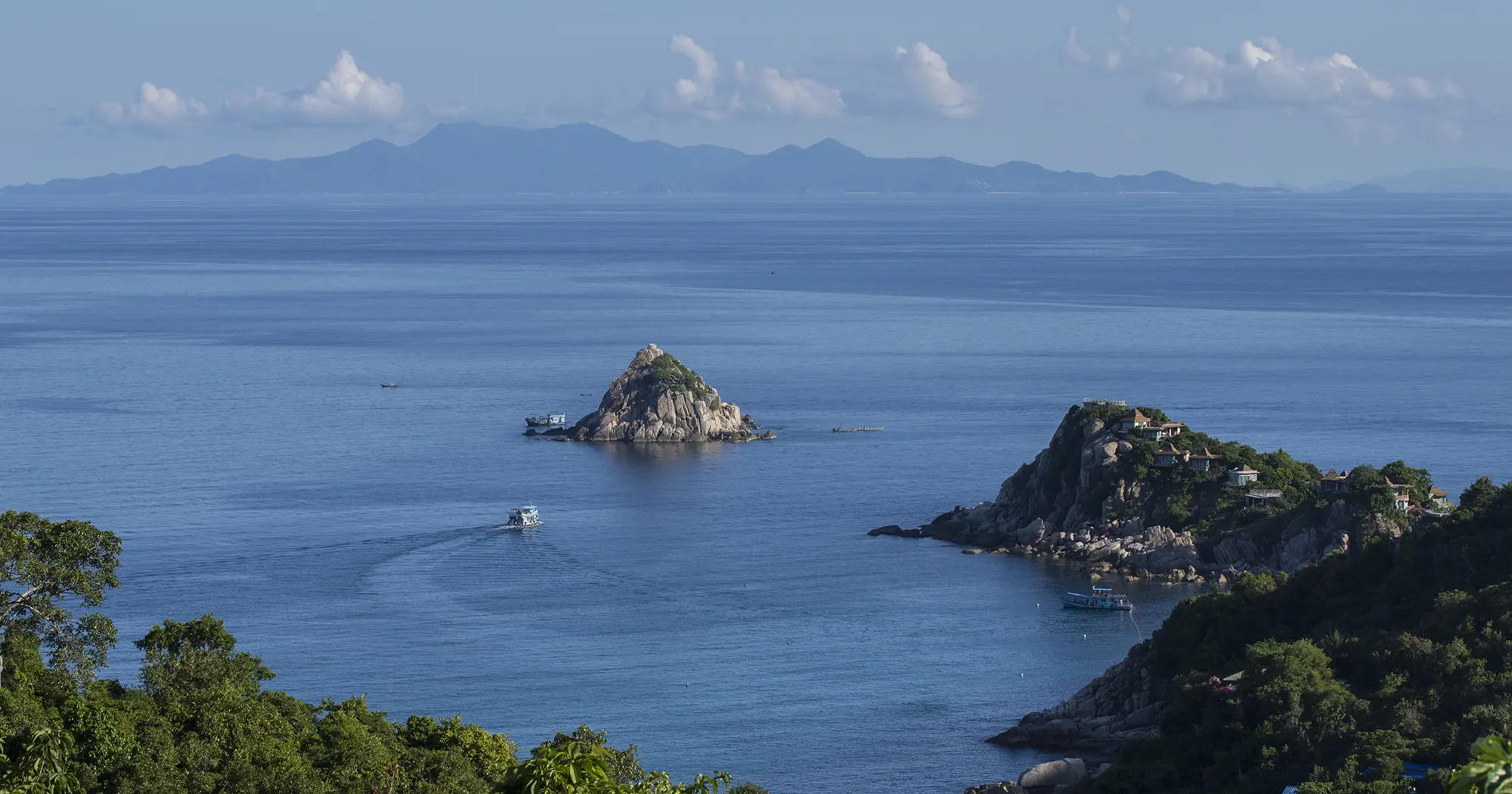
Shark Island lies off the southeast coast of Koh Tao and gets its name from its distinctive shape above the water, which resembles a shark’s dorsal fin.
Underwater, the dive site features a mixture of coral reef slopes, granite boulders and sandy patches. The exposed location means currents can bring nutrient-rich water, attracting large schools of fish and creating sometimes challenging conditions.
The varied topography and colourful coral make Shark Island one of the most scenic dive sites around Koh Tao.
Marine Life
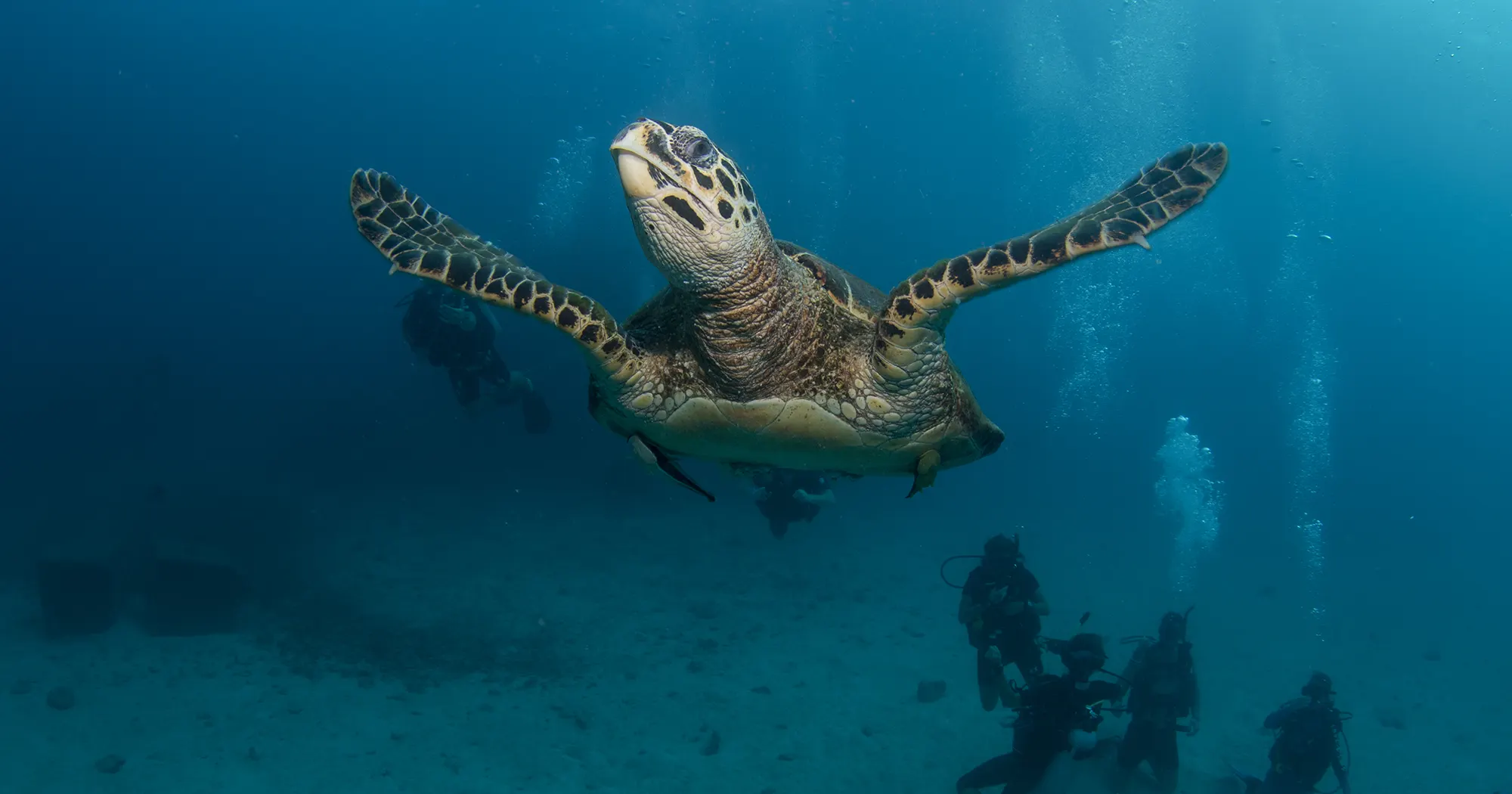
Blue-spotted stingrays, groupers, triggerfish and turtles are commonly seen. Schools of fusiliers, snapper and trevally patrol the reef.
Sail Rock – Koh Tao Dive Site
Suitable for: Open Water and Advanced Divers
Max Depth: 40 metres
Description
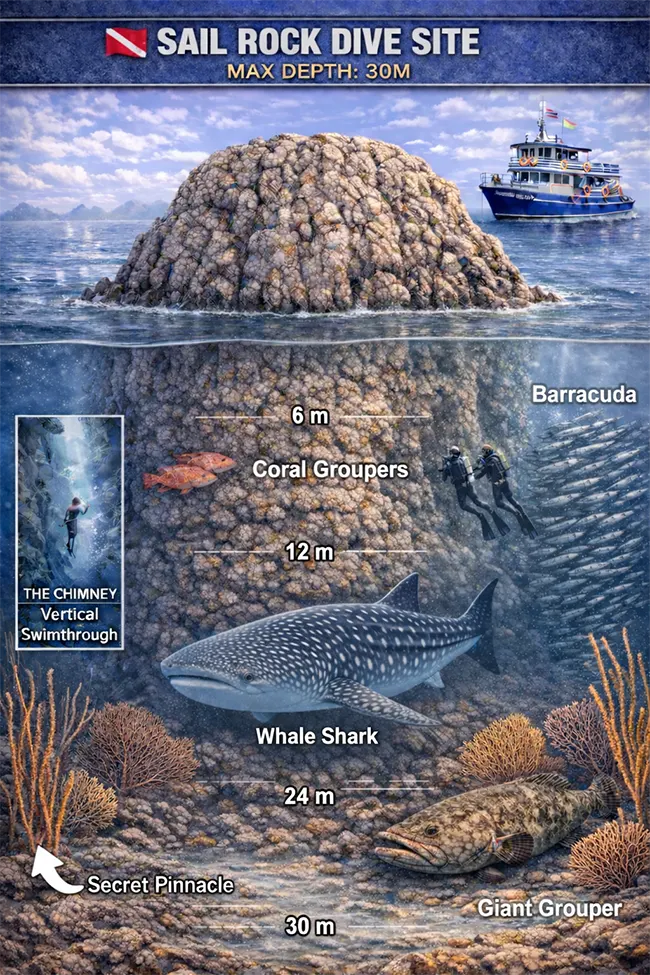
Sail Rock is located between Koh Tao and Koh Phangan and is considered one of the best dive sites in the Gulf of Thailand. The site features a massive granite pinnacle that rises from the seabed to above the surface.
The most famous feature of Sail Rock is the Chimney, a vertical swim-through that begins at around 18 metres and exits in shallow water.
The site attracts enormous schools of fish and offers spectacular underwater scenery, making it a must-dive location for divers visiting Koh Tao.
Marine Life
Large schools of batfish, barracuda, trevally and mackerel are common. Whale sharks occasionally visit the site, making Sail Rock one of the most exciting dives in the region.
White Rock – Koh Tao Dive Site
Suitable for: Open Water Divers
Max Depth: 20 metres
Description
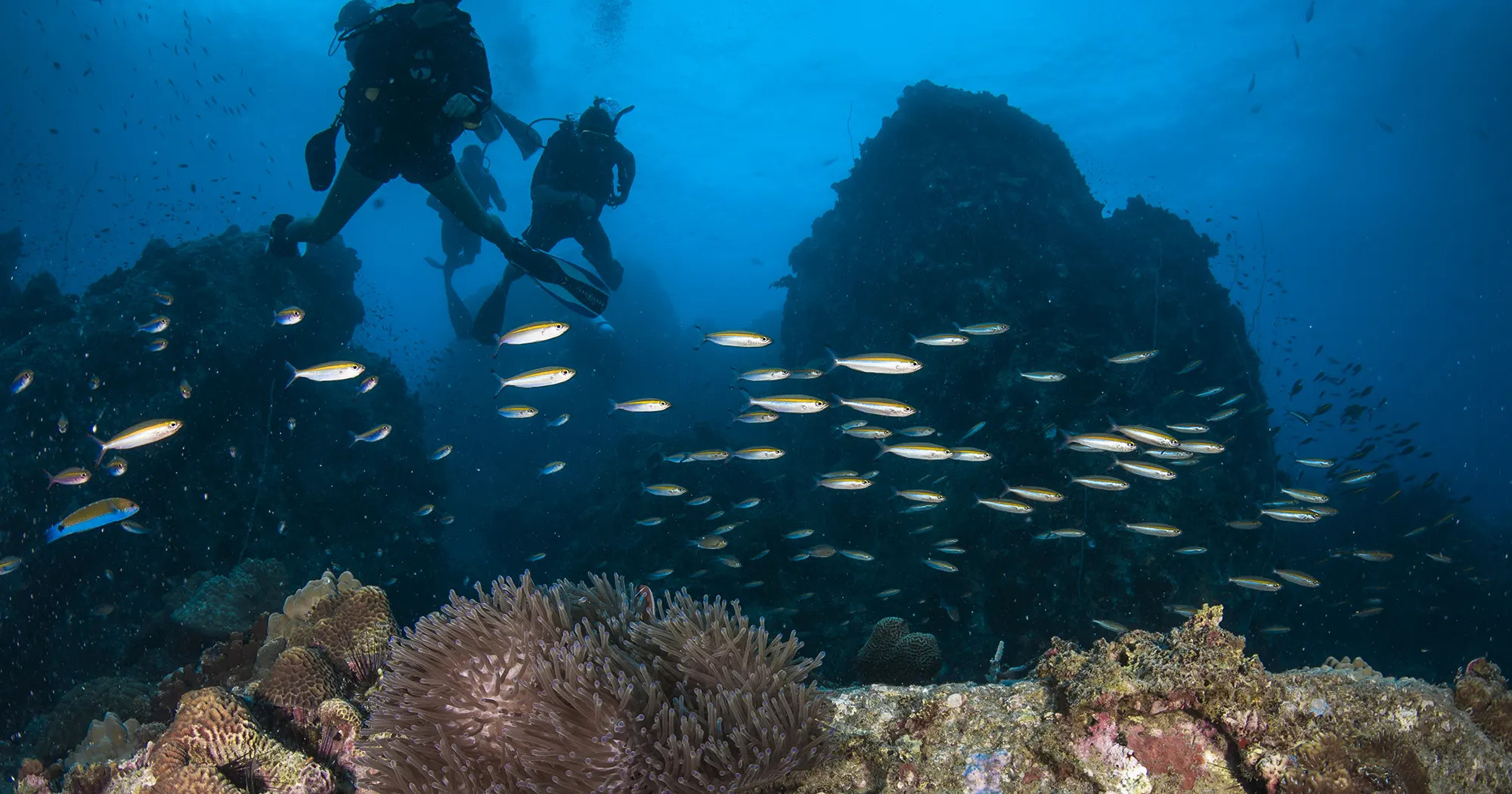
White Rock is one of the largest and most sprawling shallow reef dive sites around Koh Tao. The site consists of a chain of granite pinnacles and boulders mixed with coral bommies, sandy channels and gentle reef slopes.
Because of its varied topography and moderate depth, White Rock is suitable for both training dives and relaxed fun dives. The site is also extremely popular for night diving due to the abundance of nocturnal marine life.
Marine Life
Turtles are often spotted cruising around the reef. Divers may also see groupers, moray eels, shrimp, sea snakes, rays and a variety of colourful reef fish. By night, divers can observe impressive chevron barracuda hunting in the darkness.
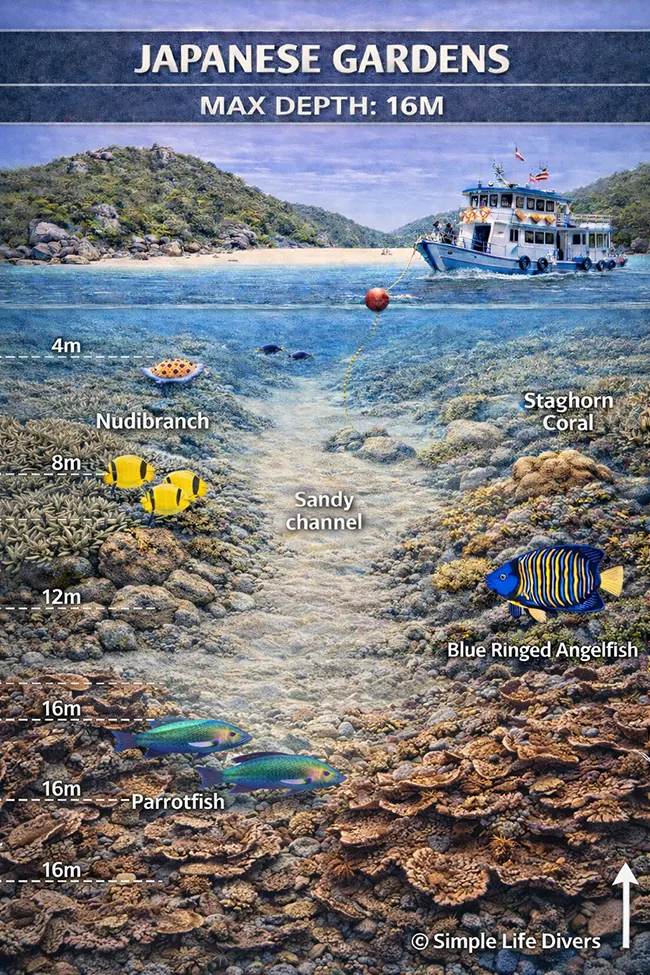
Japanese Gardens – Koh Tao Dive Site
Suitable for: Intro and Open Water Divers
Max Depth: 12 metres
Description
Japanese Gardens is a beautiful shallow reef located on the eastern coast of Koh Nangyuan. The site features extensive coral gardens, sandy channels and scattered granite boulders around the periphery.
Because of its shallow depth and calm conditions, Japanese Gardens is perfect for beginner divers, refresher sessions and snorkellers. The reef structure allows for long relaxed dives with plenty of time to observe marine life.
Marine Life
Hard coral species, especially agrapora and pore corals dominate the reef, providing habitat for butterflyfish, angelfish, damselfish and parrotfish.
Nangyuan Pinnacle (Red Rock) – Koh Tao Dive Site
Suitable for: Open Water Divers
Max Depth: 18 metres
Description
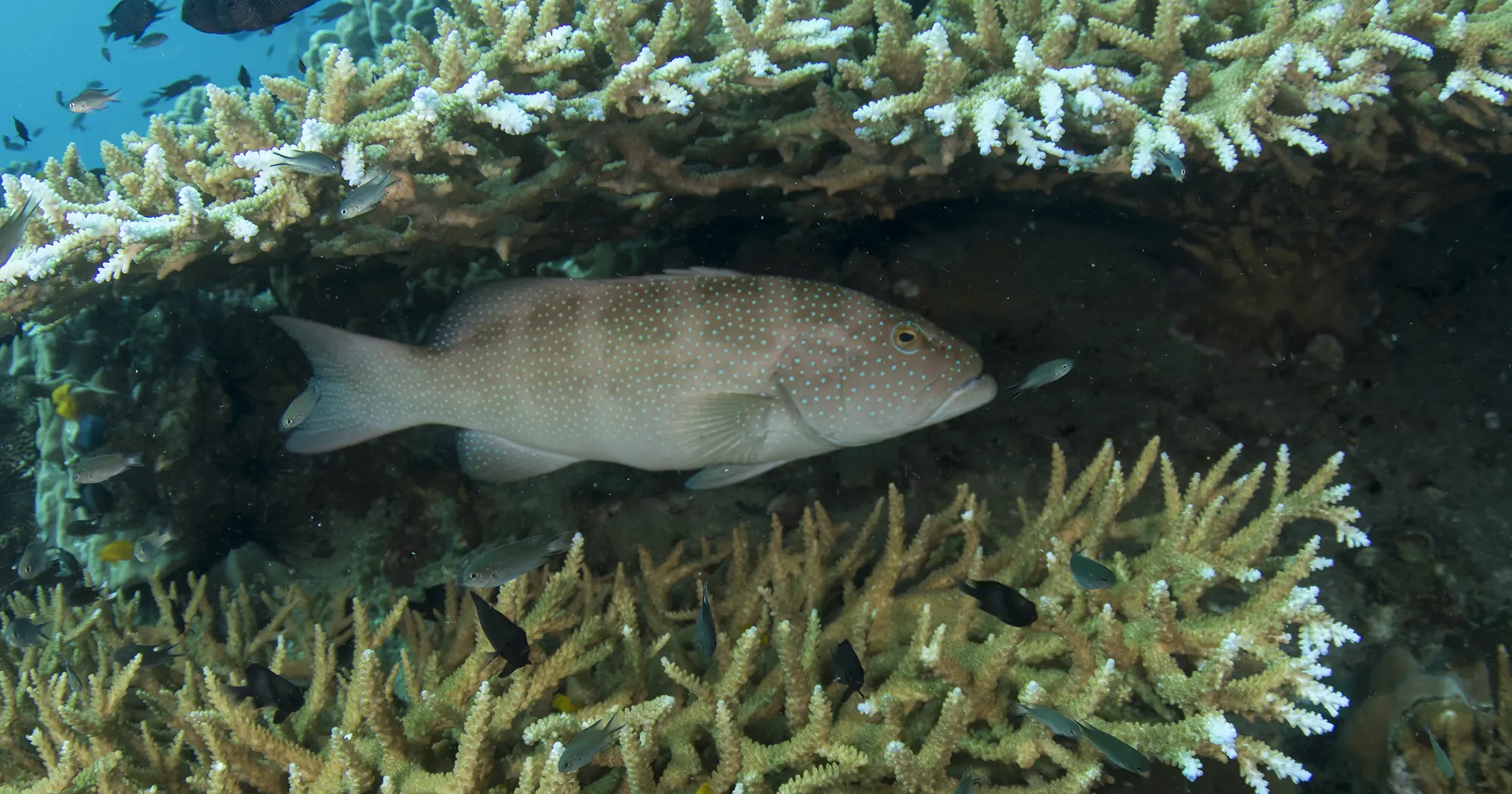
Nangyuan Pinnacle, often called Red Rock, is located a short swim north from Japanese and features a granite pinnacle surrounded by coral reef and sandy patches. Both dive sites can be combined in one dive.
The site offers interesting rock formations and one memorable swim-through beneath the main pinnacle, making it a fun dive for all levels of diver.
Marine Life
Moray eels, groupers, butterflyfish and nudibranchs are commonly spotted around the reef.
Hin Pee Wee – Koh Tao Dive Site
Suitable for: Open Water Divers
Max Depth: 24 metres
Description
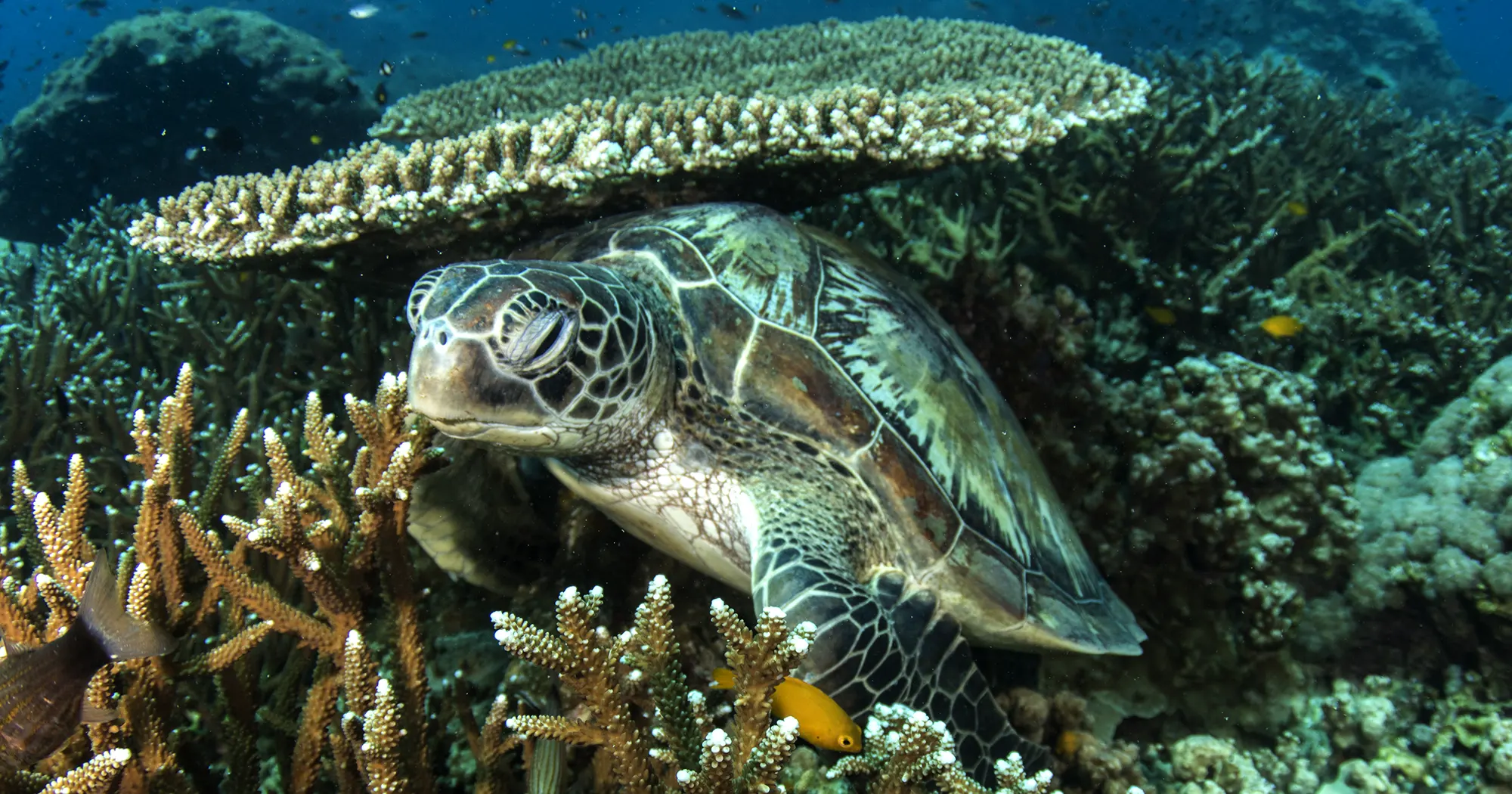
Hin Pee Wee is a pinnacle dive site located along the west coast of Koh Tao. The site is names after one of the earliest dive instructors on Koh Tao, translating as (Mr Wee Rock). The site consists of a large granite pinnacle and sandy channels that provide habitat for a wide range of reef species.
The moderate depth makes it an enjoyable and relaxed. For a challenge it’s possible to navigate from Hin Pee Wee to White Rock, or alternatively, HTMS Sattakut to Hin Pee Wee.
Marine Life
Butterflyfish, parrotfish, rabbitfish and anemonefish are common, along with moray eels and occasional stingrays. Large Jenkins rays are sometimes seen in the depths.
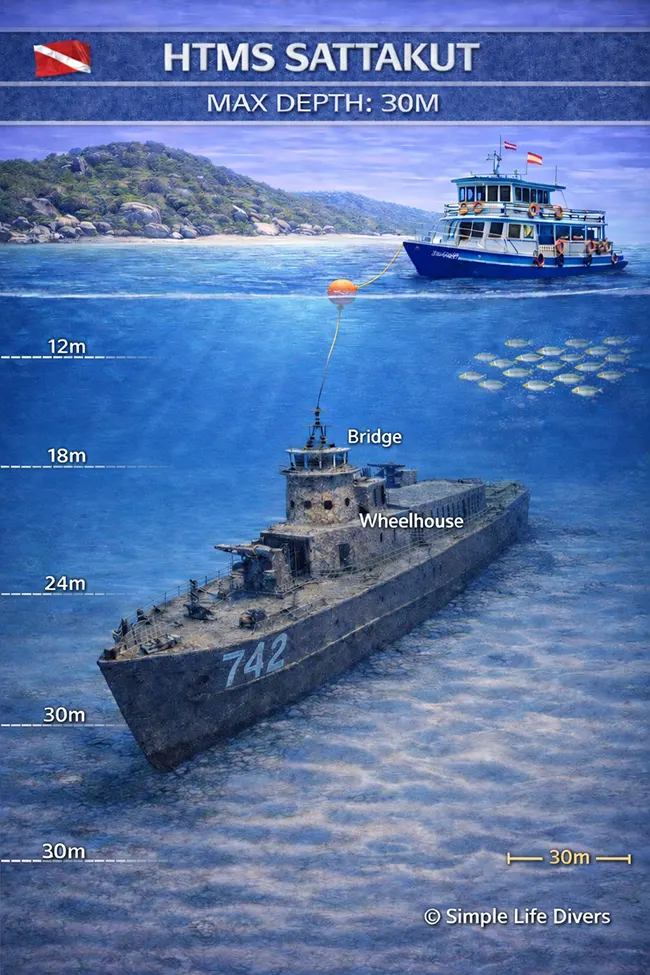
HTMS Sattakut Wreck – Koh Tao Dive Site
Suitable for: Advanced Divers
Max Depth: 30 metres
Description
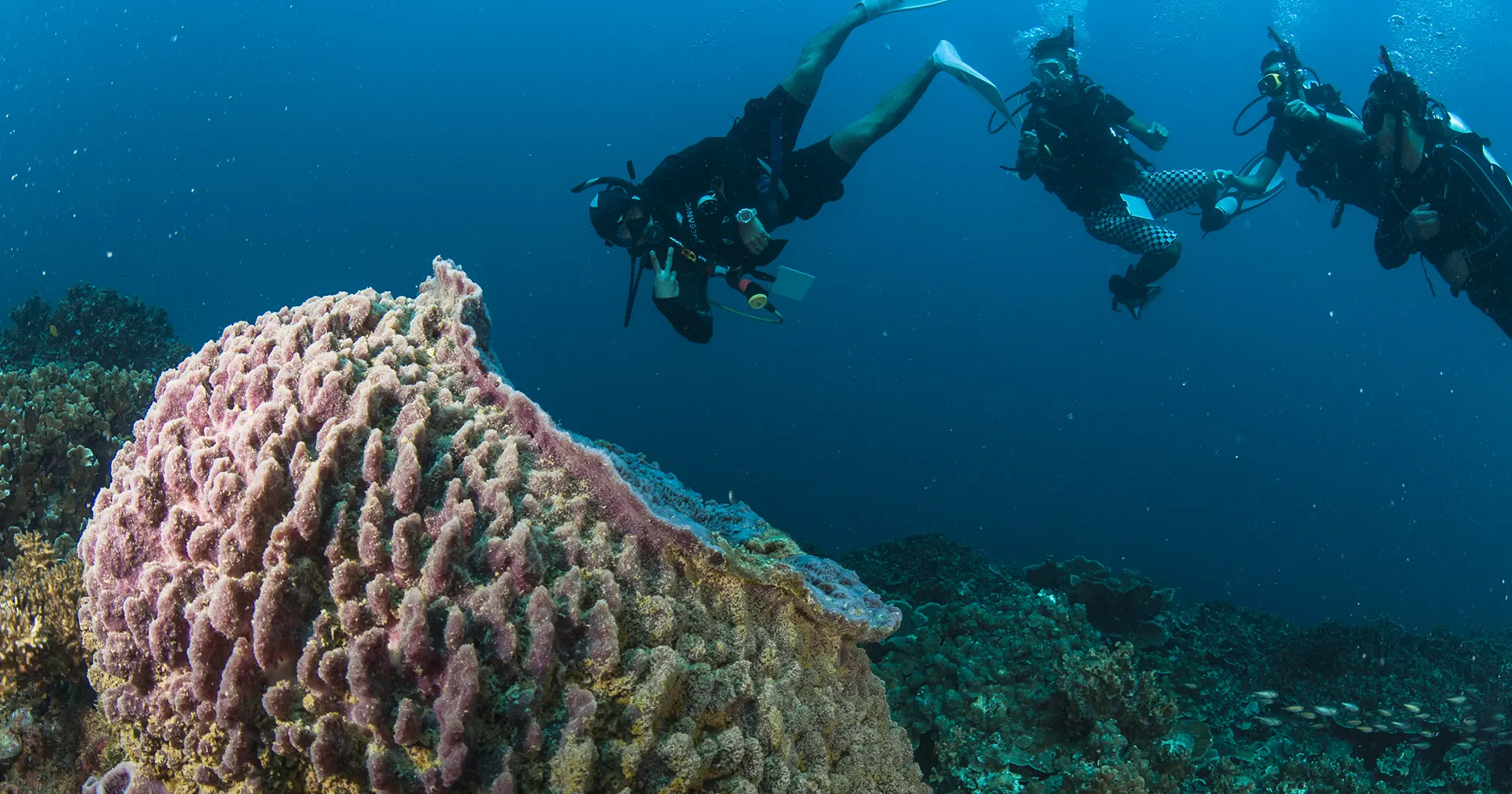
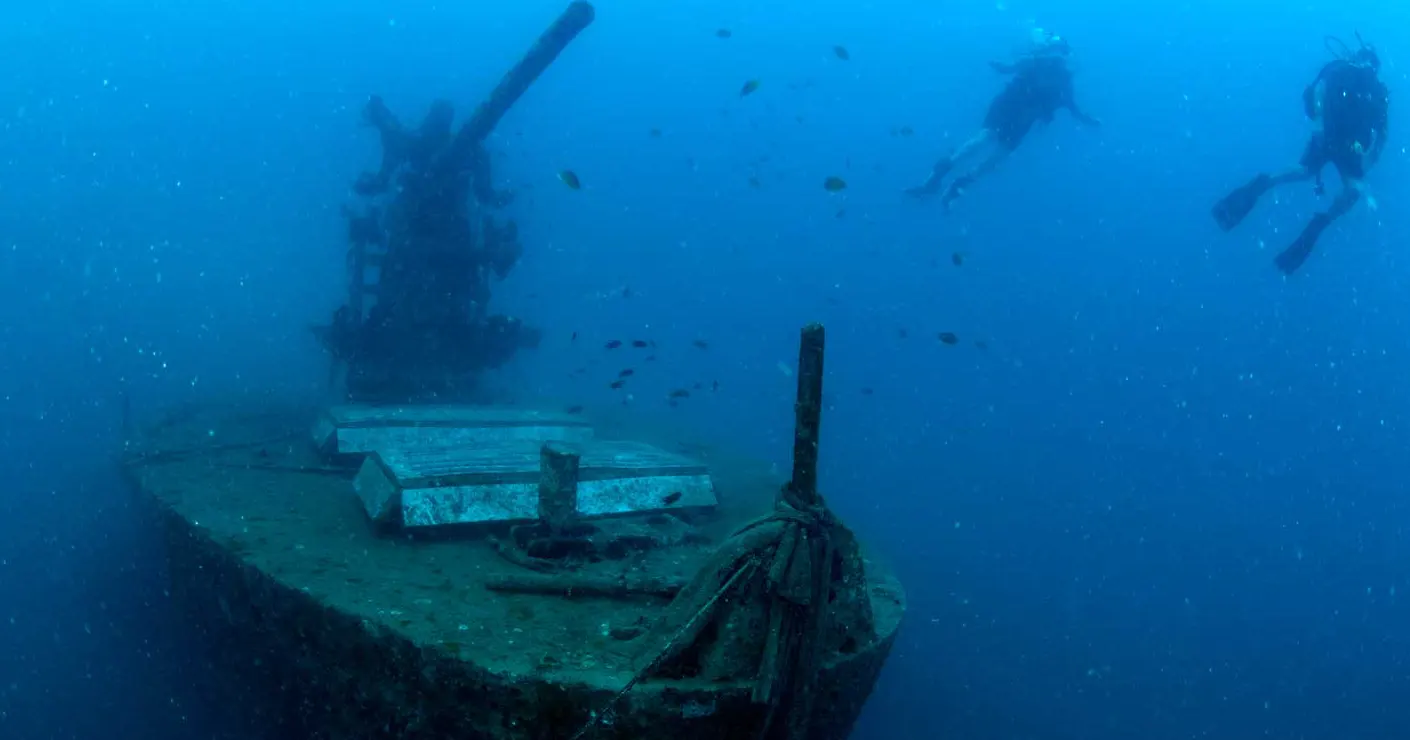
The HTMS Sattakut is a former Thai navy vessel that was intentionally sunk in June 2011 as an artificial reef and dive site. The wreck lies upright on the seabed and has become one of Koh Tao’s most popular wreck dives.
The structure of the ship provides plenty of interesting areas to explore, including the deck, gun turret, tower and interior compartments for trained wreck divers.
Marine Life
Over time the wreck has become home to a variety of marine life including groupers, lionfish, batfish and schools of snapper.
Laem Thian – Koh Tao Dive Site
Suitable for: Open Water & Advanced Divers
Max Depth: 25 metres
Description
Laem Thian is located on the eastern side of Koh Tao and features impressive underwater rock formations and swim-throughs. The site is known for dramatic boulders, caverns and coral-covered walls.
Laem Thian’s numerous swim-throughs make for an exiting test of buoyancy control.
Marine Life
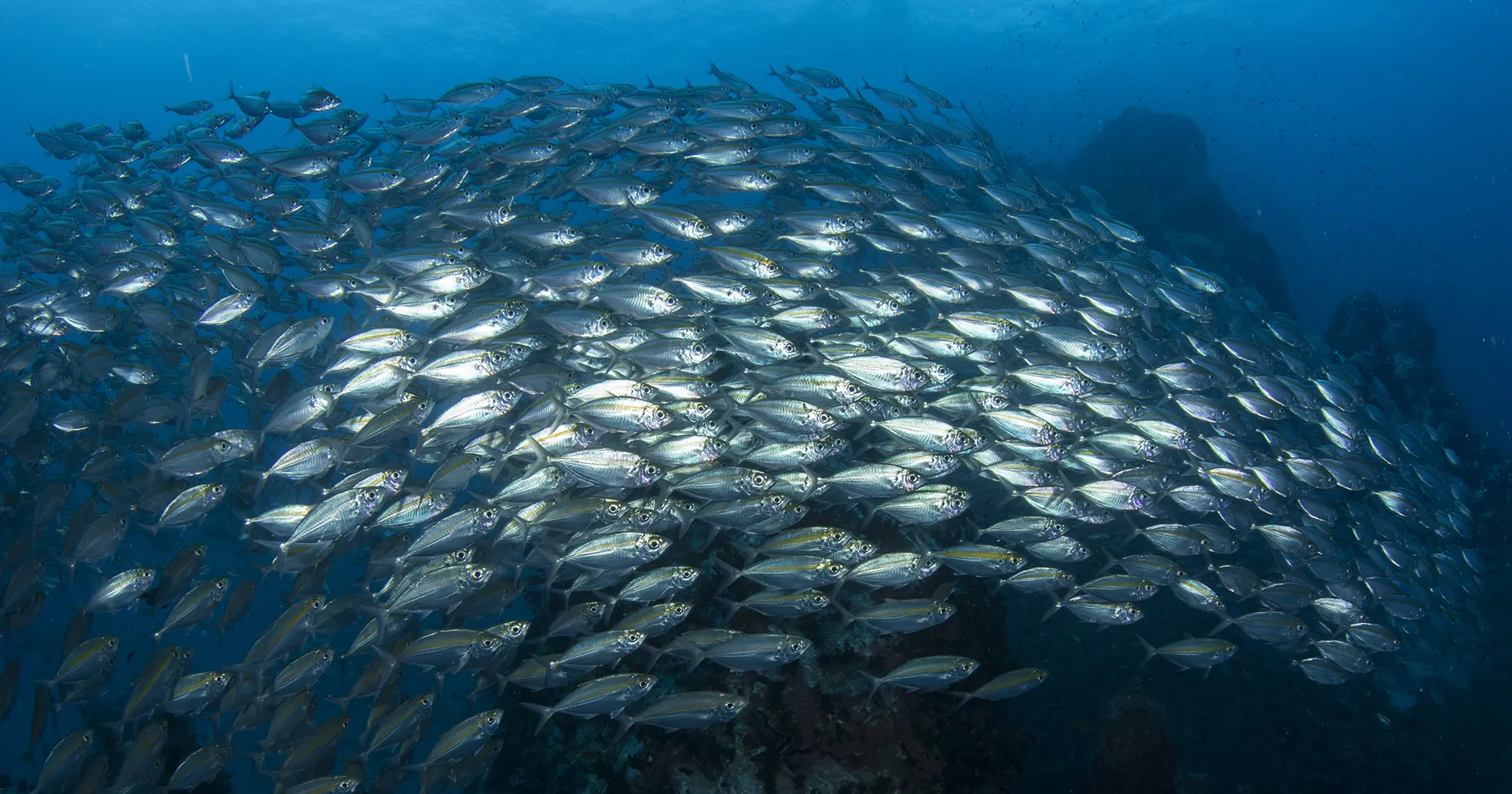
Trevally, barracuda, groupers and turtles are often seen around the rock formations.
Hin Wong Bay – Koh Tao Dive Site
Suitable for: Open Water Divers
Max Depth: 18 metres
Description
Hin Wong Bay is a shallow scenic reef dive site located on the northeast coast of Koh Tao. The bay features gently sloping reef with coral formations and rocky outcrops.
When the wind is south-westerly, calm conditions and moderate depth in Hin Wong Bay make it suitable for both training dives and relaxed fun dives.
Marine Life
Schools of fusiliers, rabbitfish, butterflyfish and parrotfish are common, along with occasional turtles.
Hin Wong Pinnacle – Koh Tao Dive Site
Suitable for: Advanced Divers
Max Depth: 26 metres
Description
Located further offshore from Hin Wong Bay, this dive site features a granite pinnacle rising from deeper water. As you swim further out from Koh Tao the bottom slopes away quickly. The pinnacle is surrounded by schooling fish and offers a more adventurous dive for experienced divers.
Marine Life
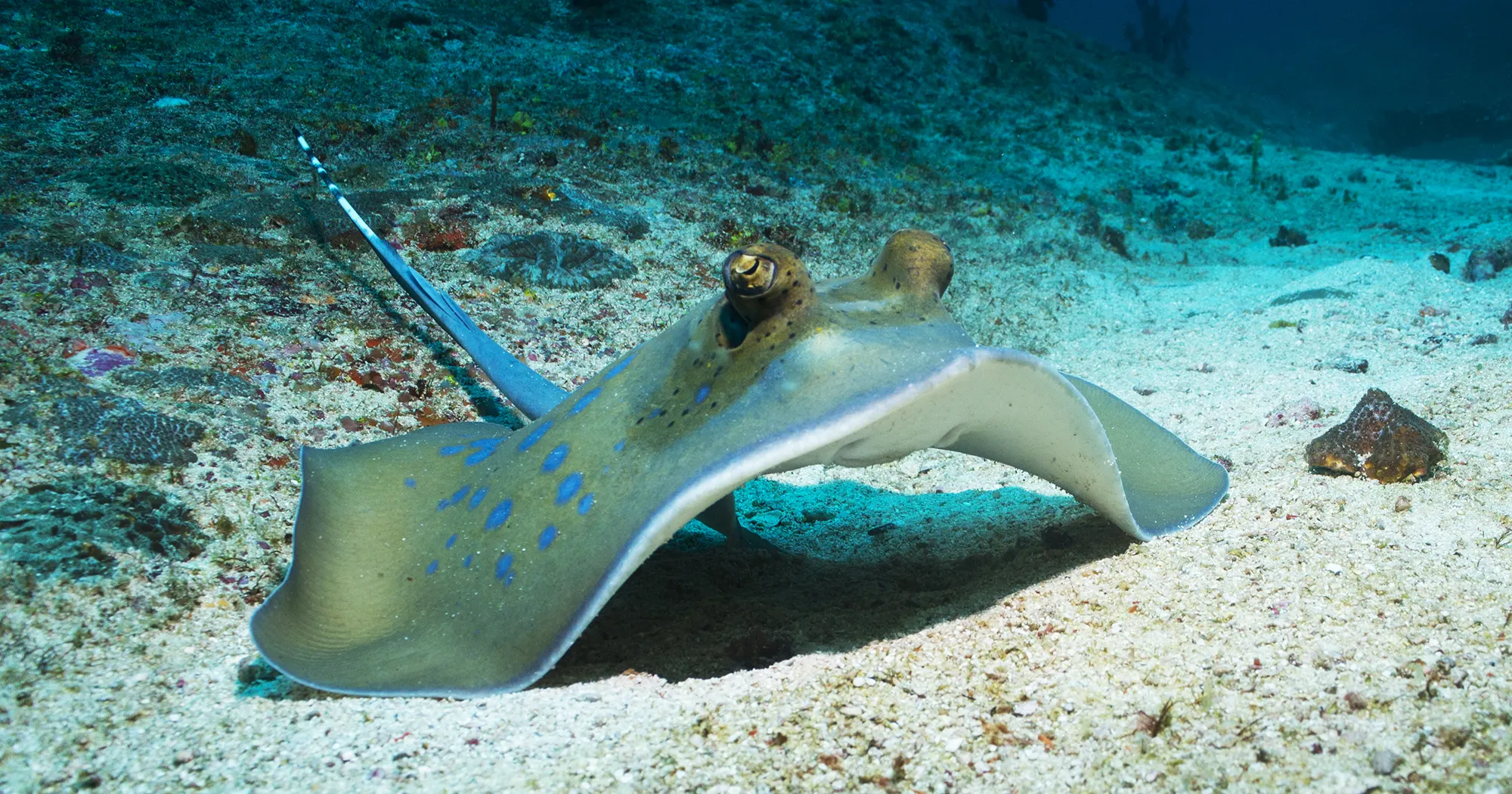
Barracuda, trevally, snapper and groupers are commonly seen circling the pinnacle.
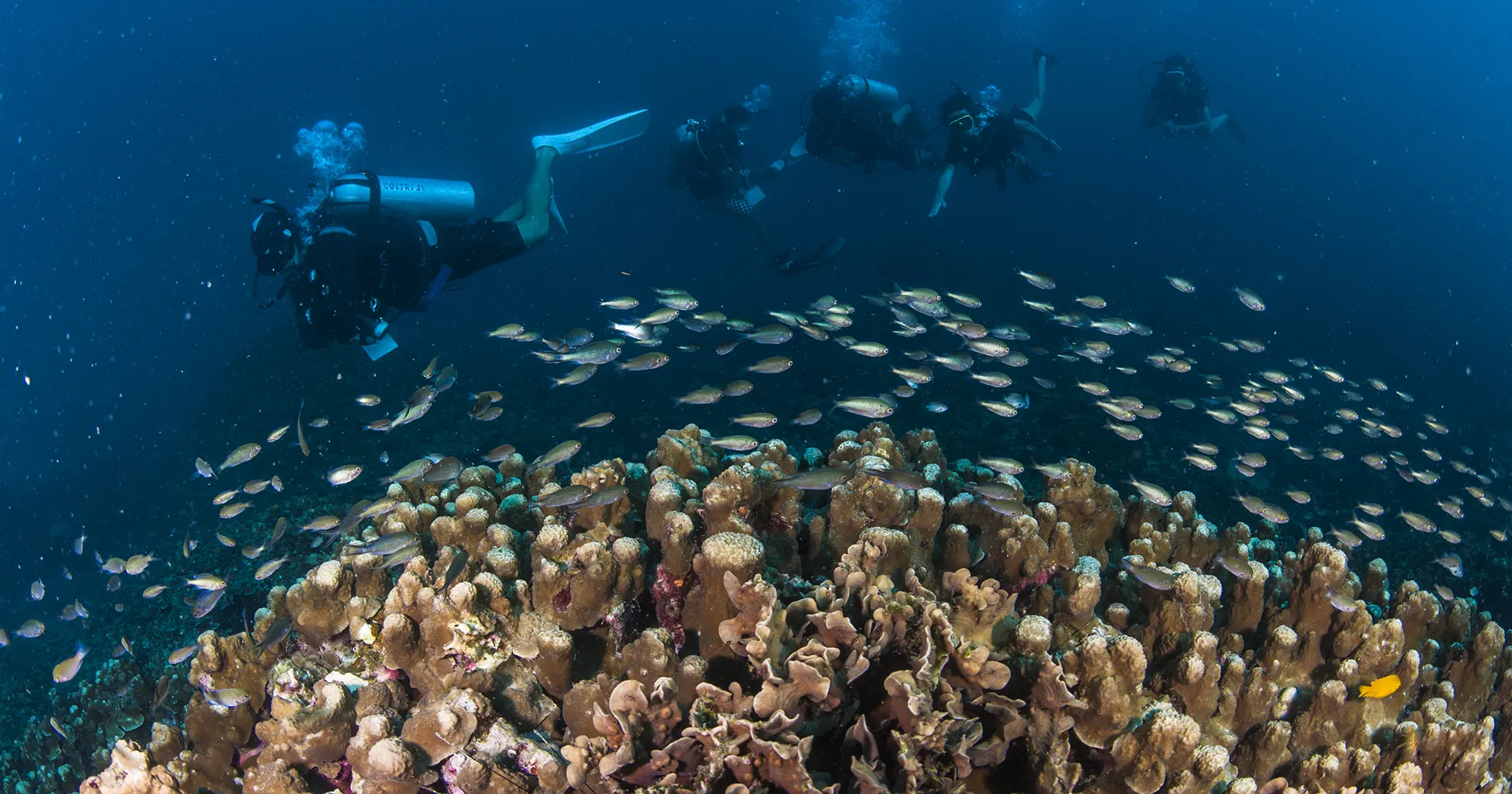
Aow Leuk – Koh Tao Dive Site
Suitable for: Intro and Open Water Divers
Max Depth: 12 metres
Description
Aow Leuk is a shallow bay with sandy patches and coral reef areas that make it ideal for beginner dives and snorkelling.
Much coral reef conservation work has been done in Aow Leuk, supervised by Thailand Department of Marine and Coastal Resources (DMCR).
Marine Life
Butterflyfish, damselfish and parrotfish are commonly seen around the reef.
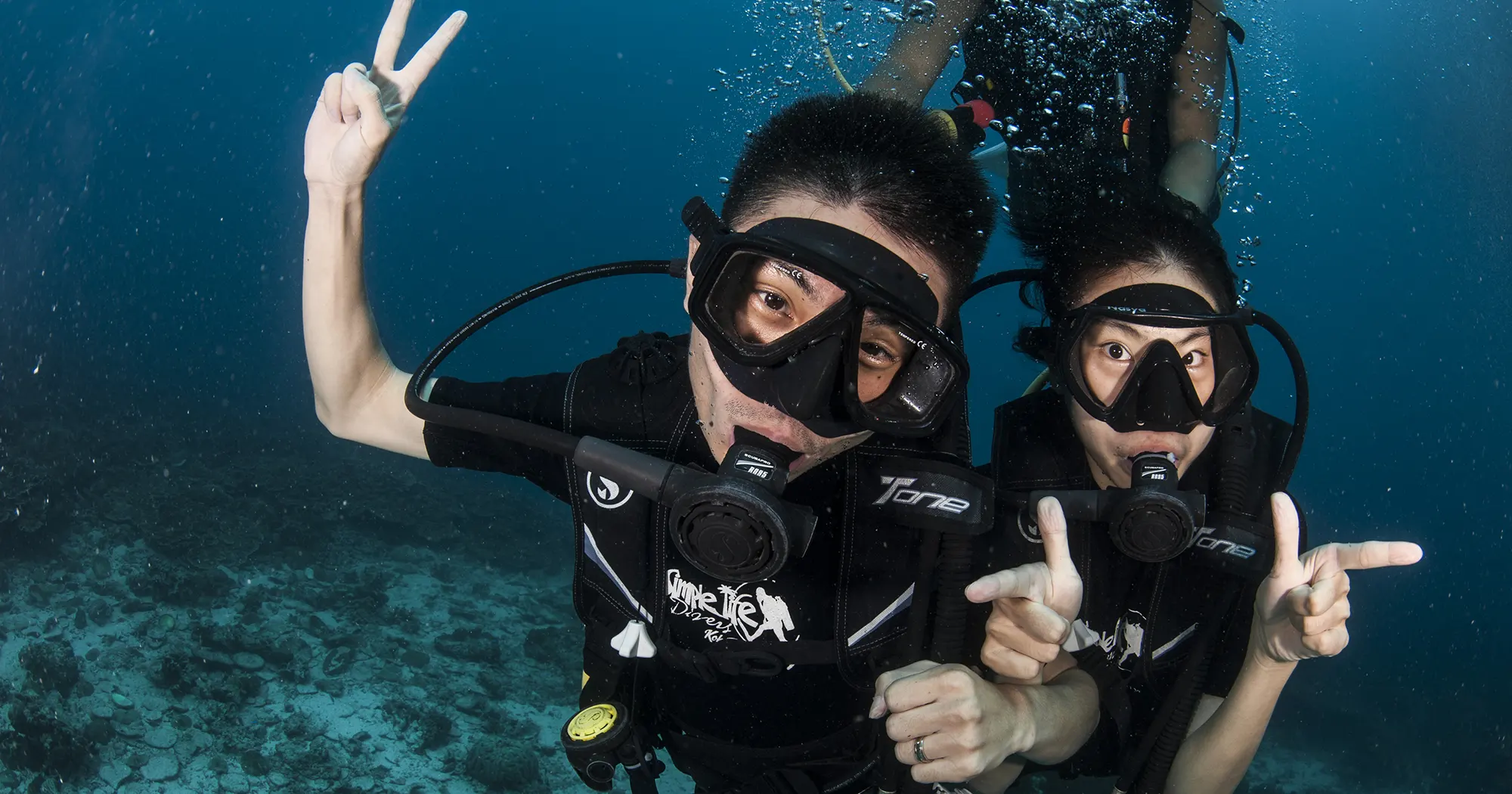
Three Rocks – Koh Tao Dive Site
Suitable for: Open Water Divers
Max Depth: 10 metres
Description
Three Rocks is named after the three large granite boulders that form the main features of this dive site. The rocks are visible above the surface and are surrounded by coral growth and sandy seabed.
Marine Life
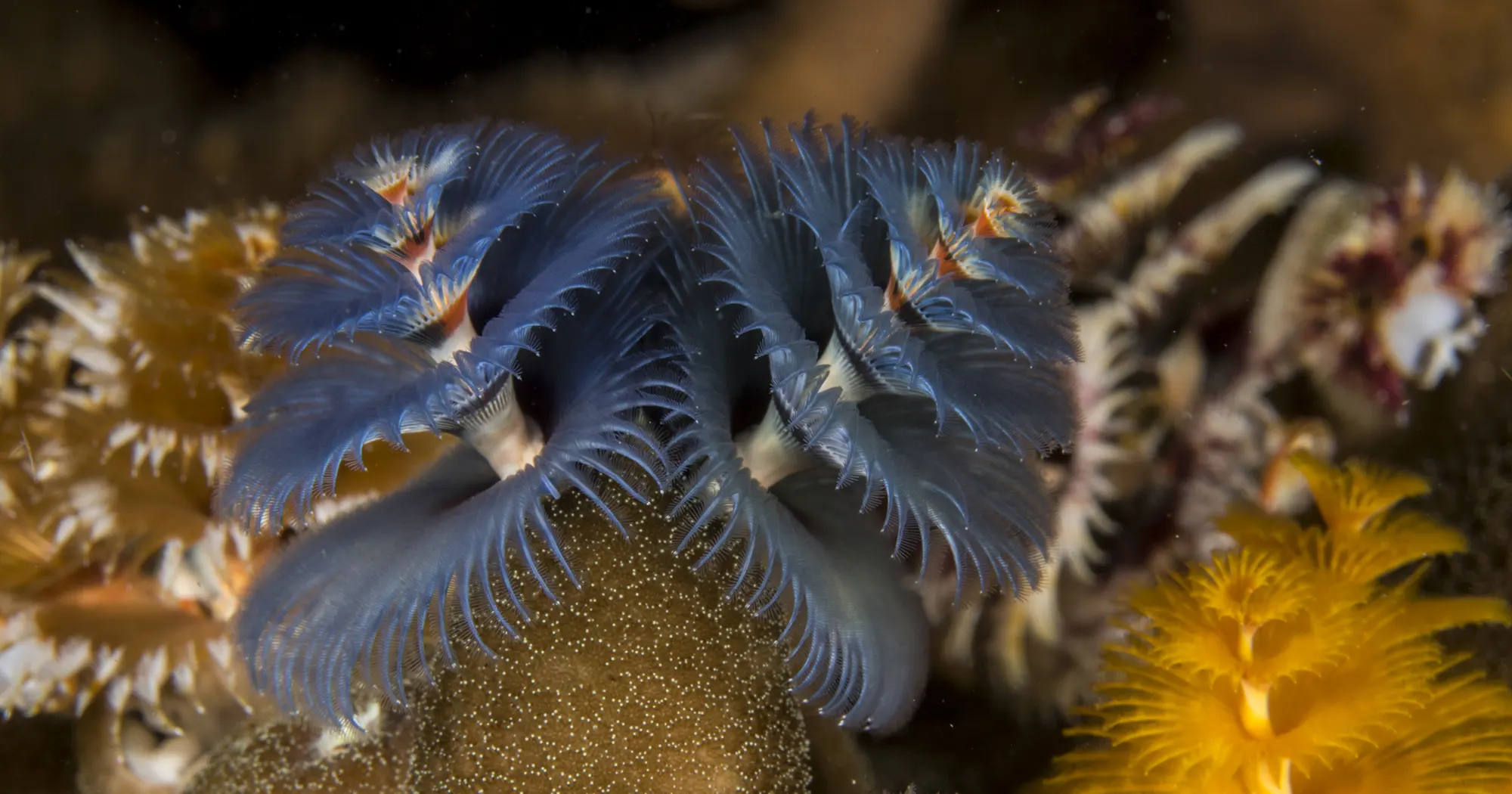
Christmas tree worms, groupers and schools of reef fish are commonly spotted.
Lighthouse Bay – Koh Tao Dive Site
Suitable for: Open Water Divers
Max Depth: 16 metres
Description
Located on the North-East coast of Koh Tao, Lighthouse Bay features giant boulders, coral bommies and sandy patches that provide a relaxed dive environment.
Little visited, Lighthouse Bay is a great spot for a peaceful dive in the shallows. Good sunlight and few divers make Lighthouse Bay ideal for practicing underwater photography or videography.
Marine Life
Butterflyfish, parrotfish, bannerfish and groupers inhabit the reef.
Aow Mao – Koh Tao Dive Site
Suitable for: Open Water Divers
Max Depth: 18 metres
Description
Near Lighthouse Bay, Aow Mao is a quiet dive site with scattered shallow coral formations and sandy seabed. It offers calm conditions and an easy dive profile away from the crowds.
Marine Life
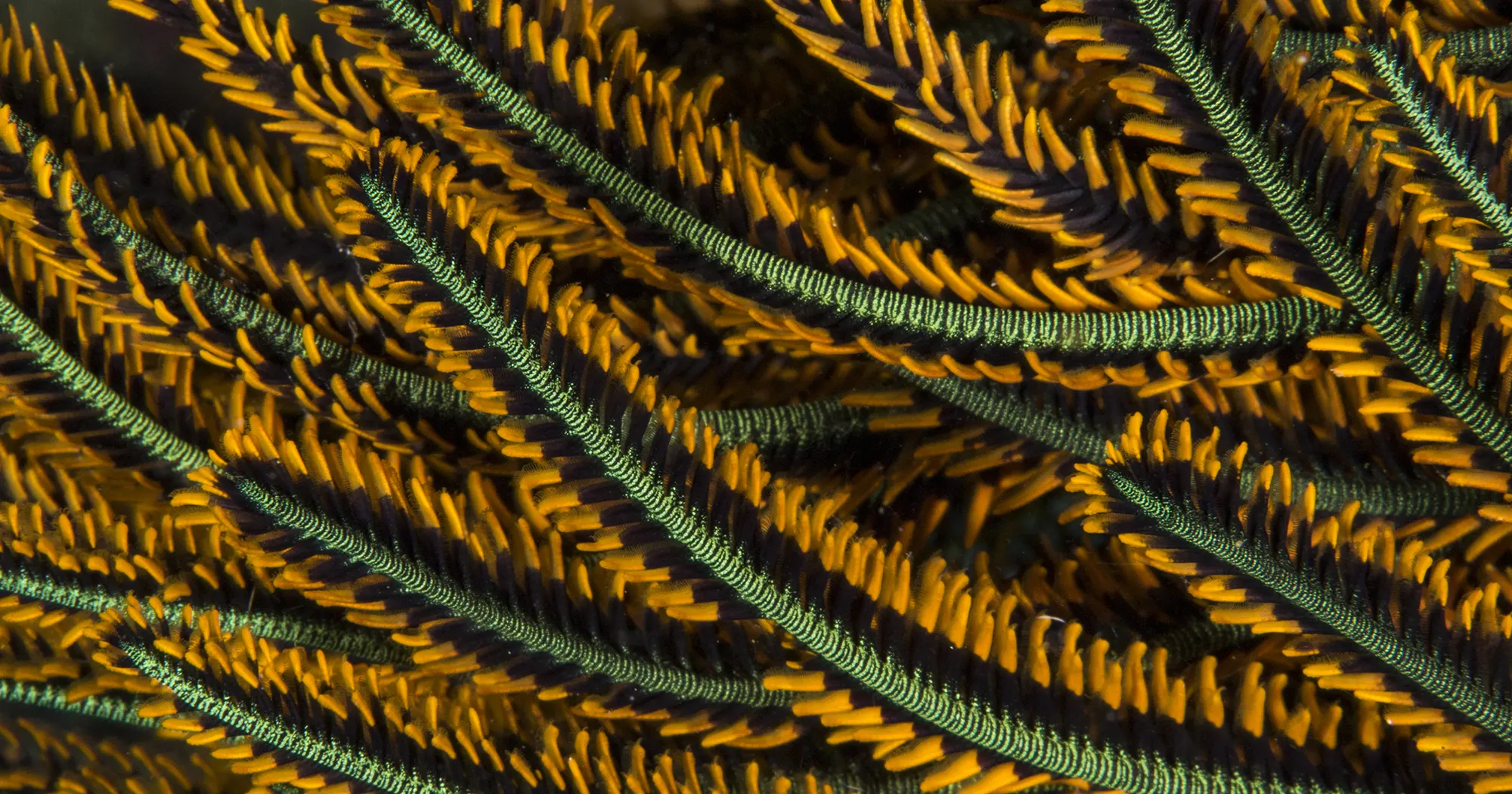
Reef fish, nudibranchs and moray eels are commonly found.
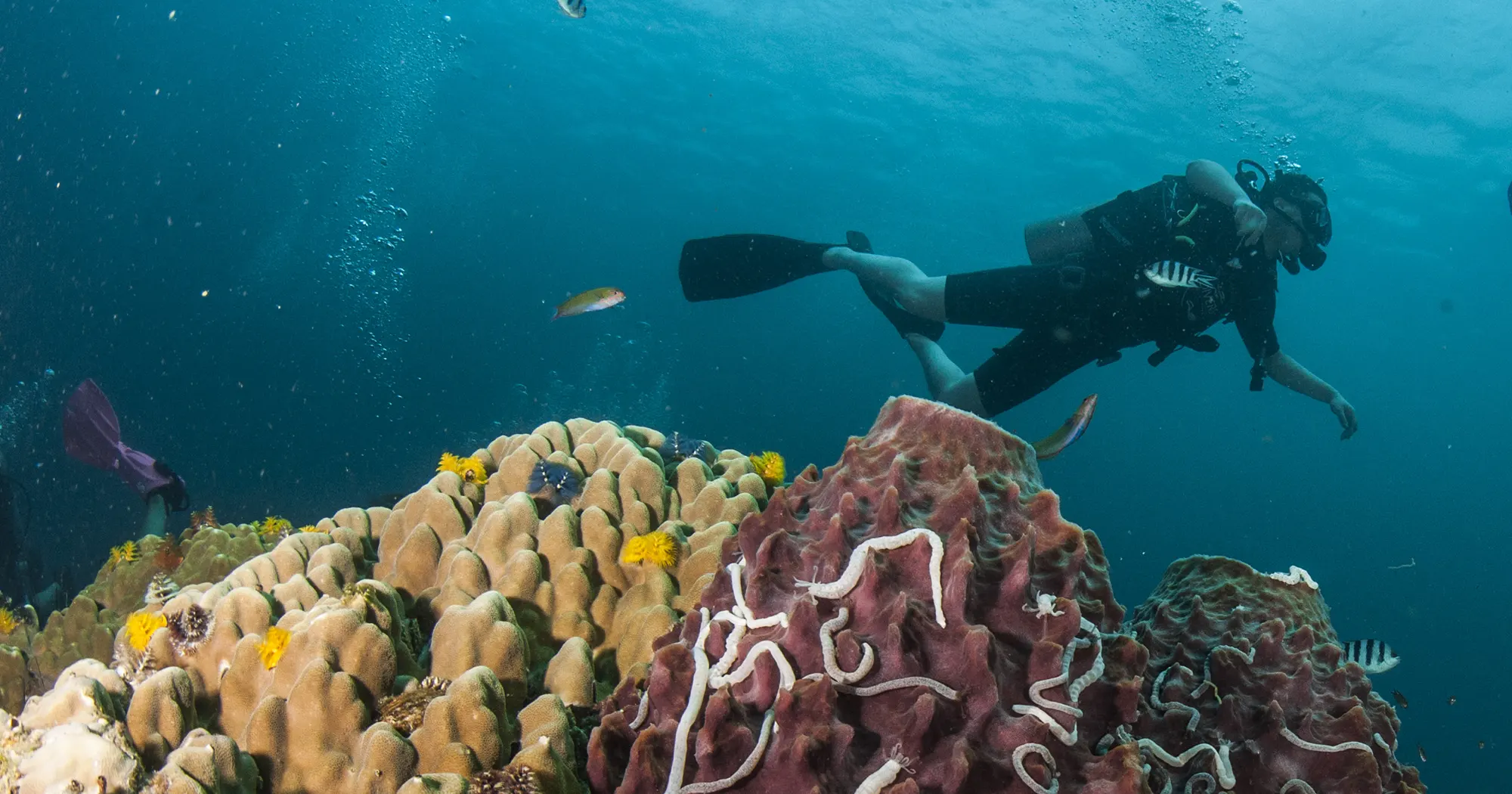
Thian Og (Shark Bay) – Koh Tao Dive Site
Suitable for: Intro and Open Water Divers
Max Depth: 10 metres
Description
Shark Bay is one of Koh Tao’s best known shallow dive and snorkelling locations. The sandy bay and and corals provide habitat for many marine species.
Marine Life
Blacktip reef sharks and green sea turtles are regularly seen here in the shallows. Its actually more common to see reef sharks snorkeling here rather than scuba diving.
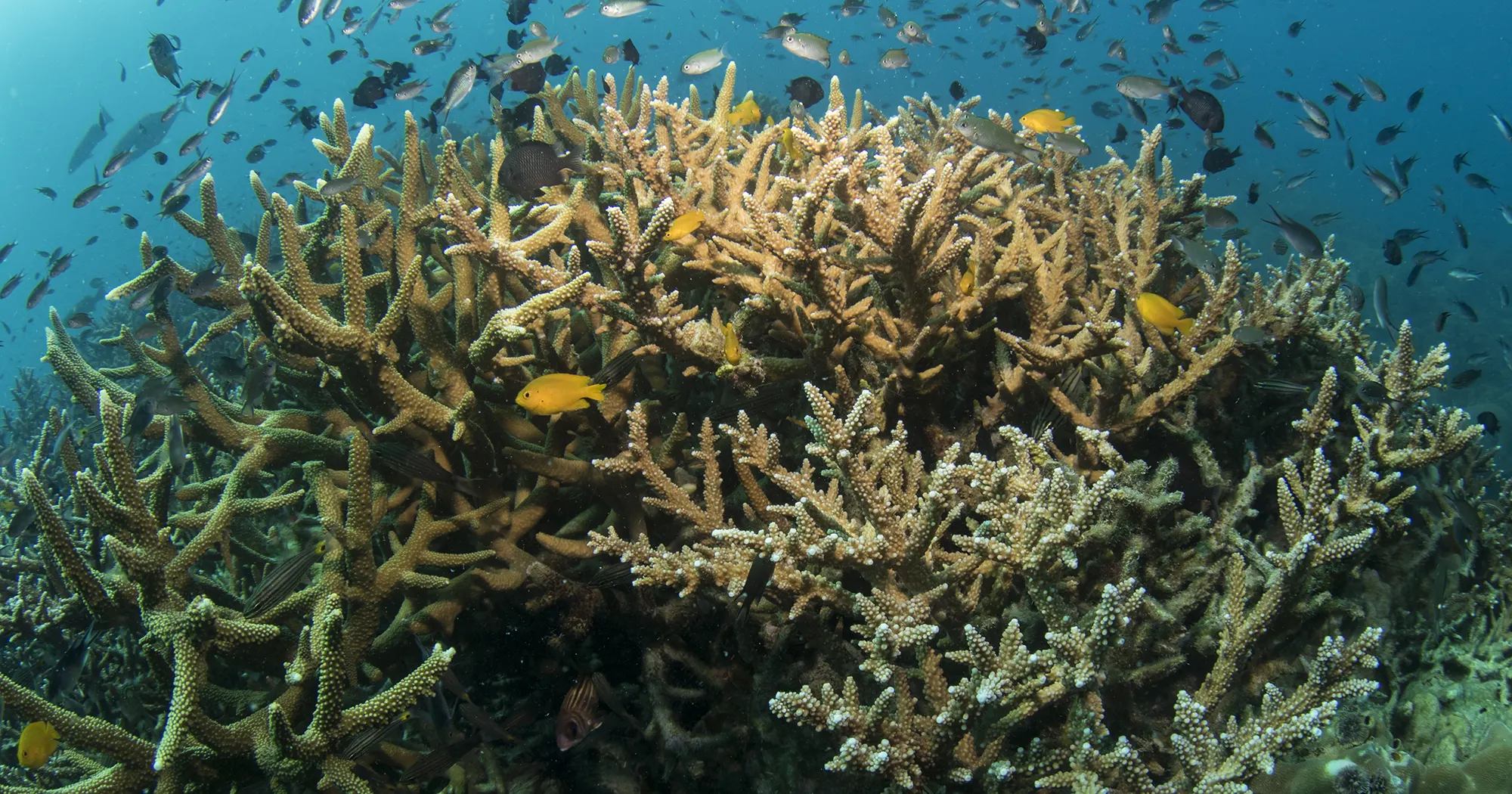
Sairee Reef – Koh Tao Dive Site
Suitable for: Intro and Open Water Divers
Max Depth: 12 metres
Description
Sairee Reef is located just off Koh Tao’s main beach and offers a relaxed shallow dive. The reef contains a long continuous coral formations extending from the shallows to 10-12 meters. Dive shops on Koh Tao contribute to several reef restoration / conservation projects along Sairee Reef.
Marine Life
Wrasses, nudibranchs, gobis & shrimp, pufferfish and tiggerfish are commonly seen inhabiting Sairee Reef.
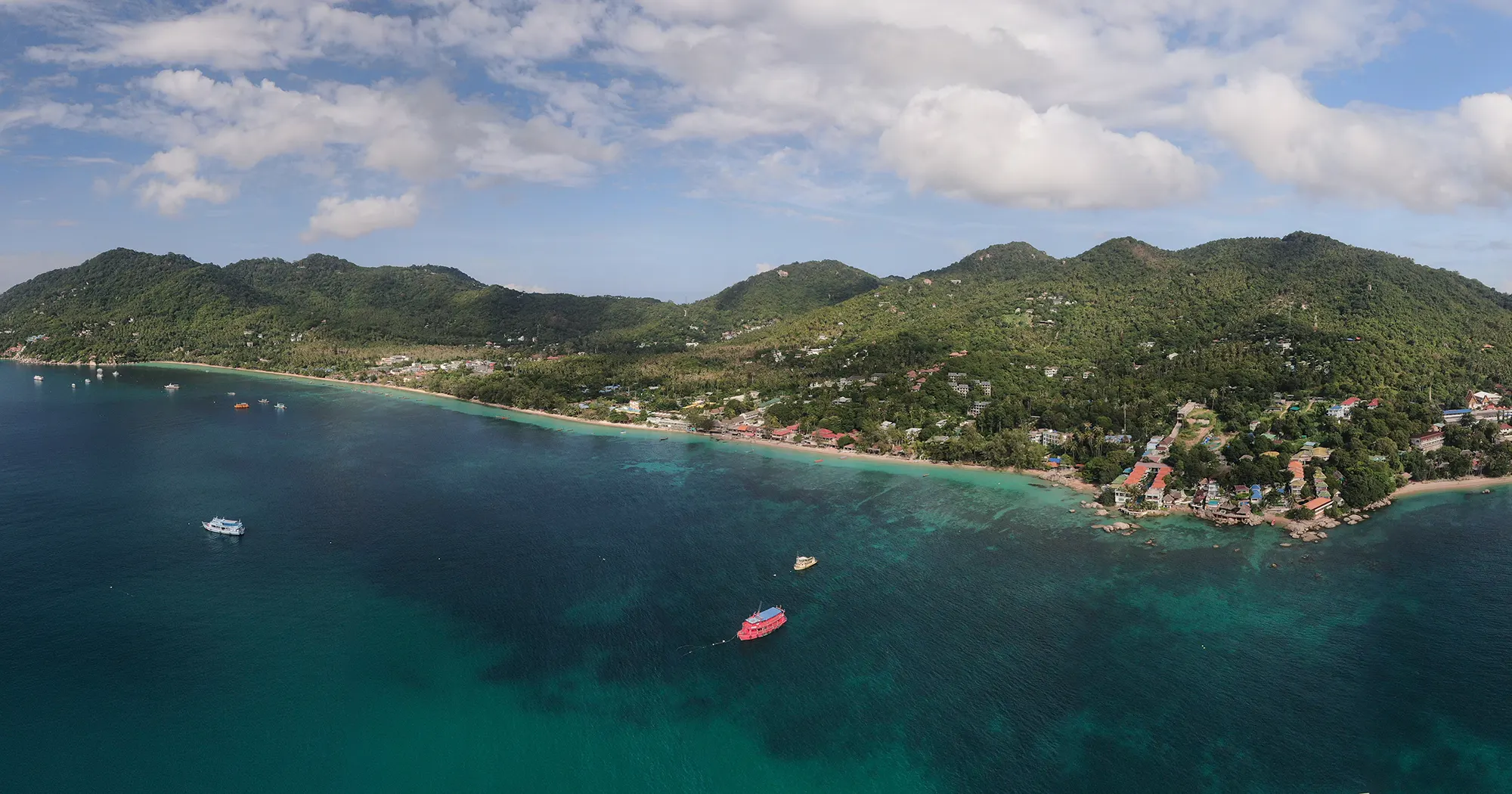
Alotmeant Reef Restoration Project – Koh Tao Dive Site
Suitable for: Open Water Divers
Max Depth: 10 metres
Description
This dive site focuses on coral restoration and marine conservation. Artificial reef structures support new coral growth and attract marine life to areas of the seabed which were previously barren.
Marine Life
Juvenile reef fish, damselfish and butterflyfish thrive in the restored reef environment. There’s a resident giant pufferfish and several porcupine fish to discover.
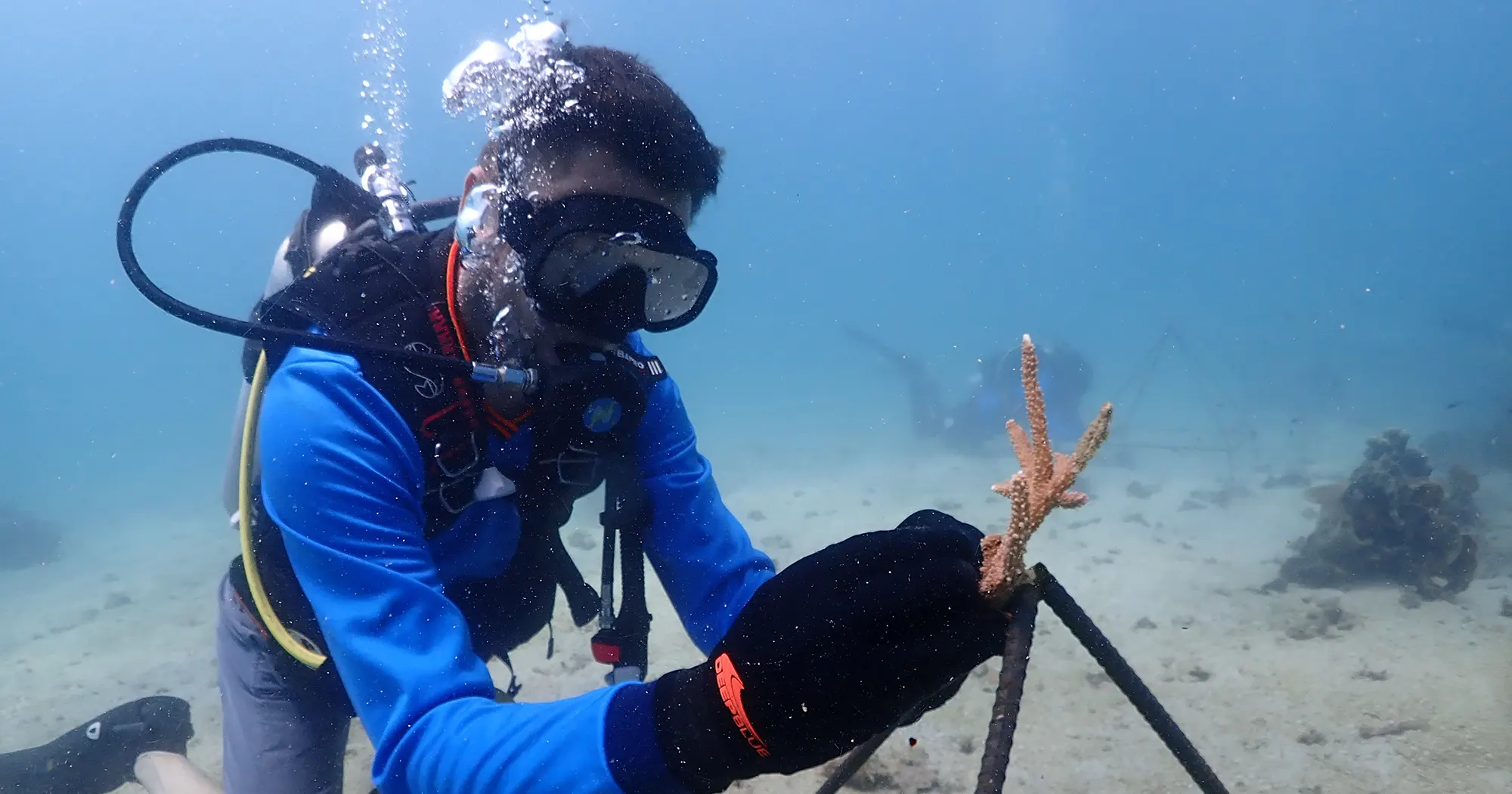
Tanote Bay – Koh Tao Dive Site
Suitable for: Intro and Open Water Divers
Max Depth: 12 metres
Description
Tanote Bay on Koh Tao’s east coast features patches of shallow coral reef and sandy seabed. The site is popular for training dives and beginner fun dives.
Marine Life
Butterflyfish, parrotfish and groupers are commonly seen.
HTMS Suphairin – Koh Tao Dive Site
Suitable for: Advanced Divers
Max Depth: 30 metres
Description
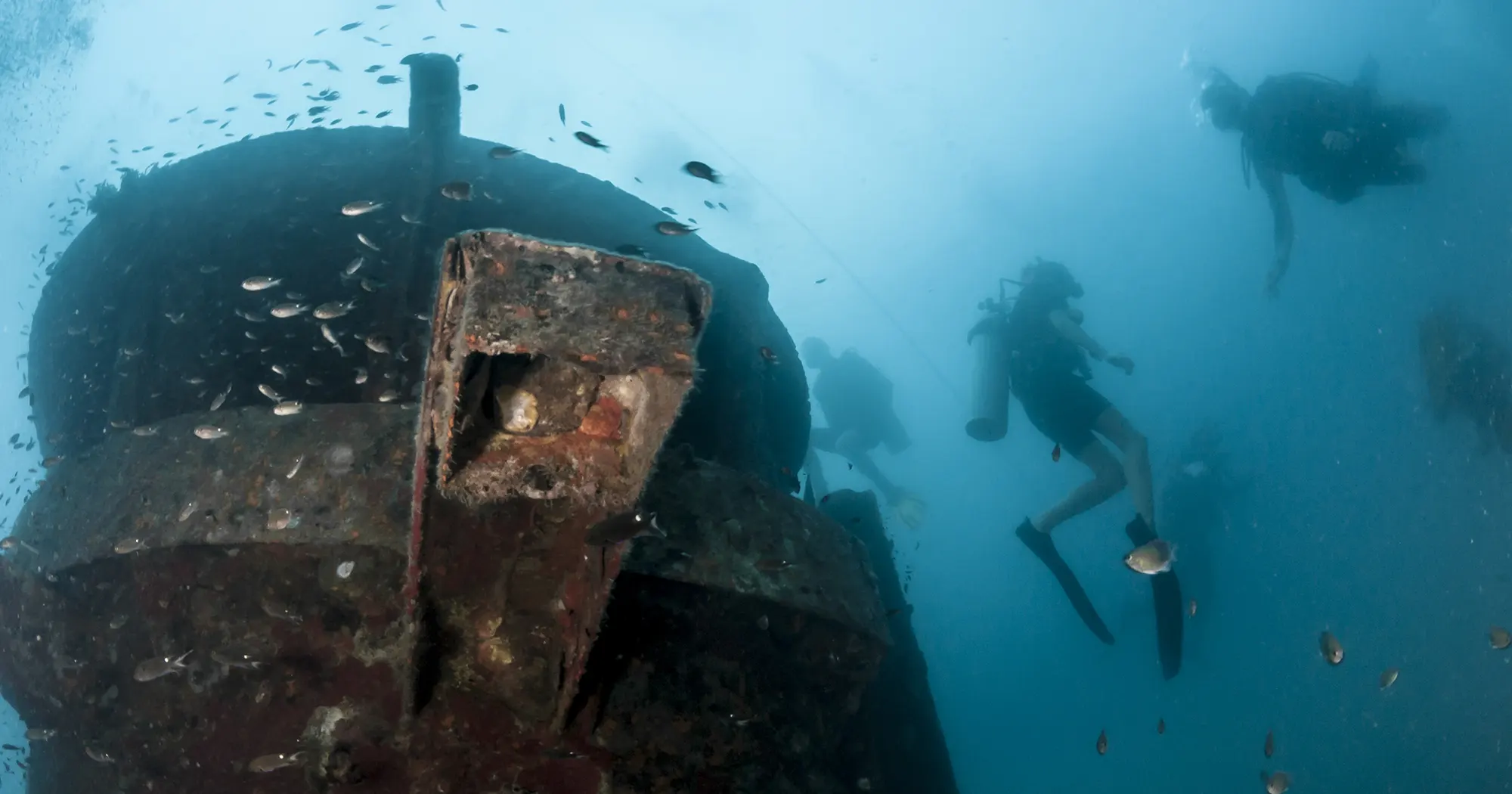
Sunk in September 2023, HTMS Suphairin is a former naval vessel that now lies on the seabed as an artificial reef and wreck dive site. The structure whilst still in its infancy as an artificial reef already attracts marine life and offers an interesting dive for experienced divers.
Marine Life
Groupers, wrasses and schools of snapper inhabit and surround the wreck.
HTMS Hanhak – Koh Tao Dive Site
Suitable for: Advanced Divers
Max Depth: 30 metres
Description
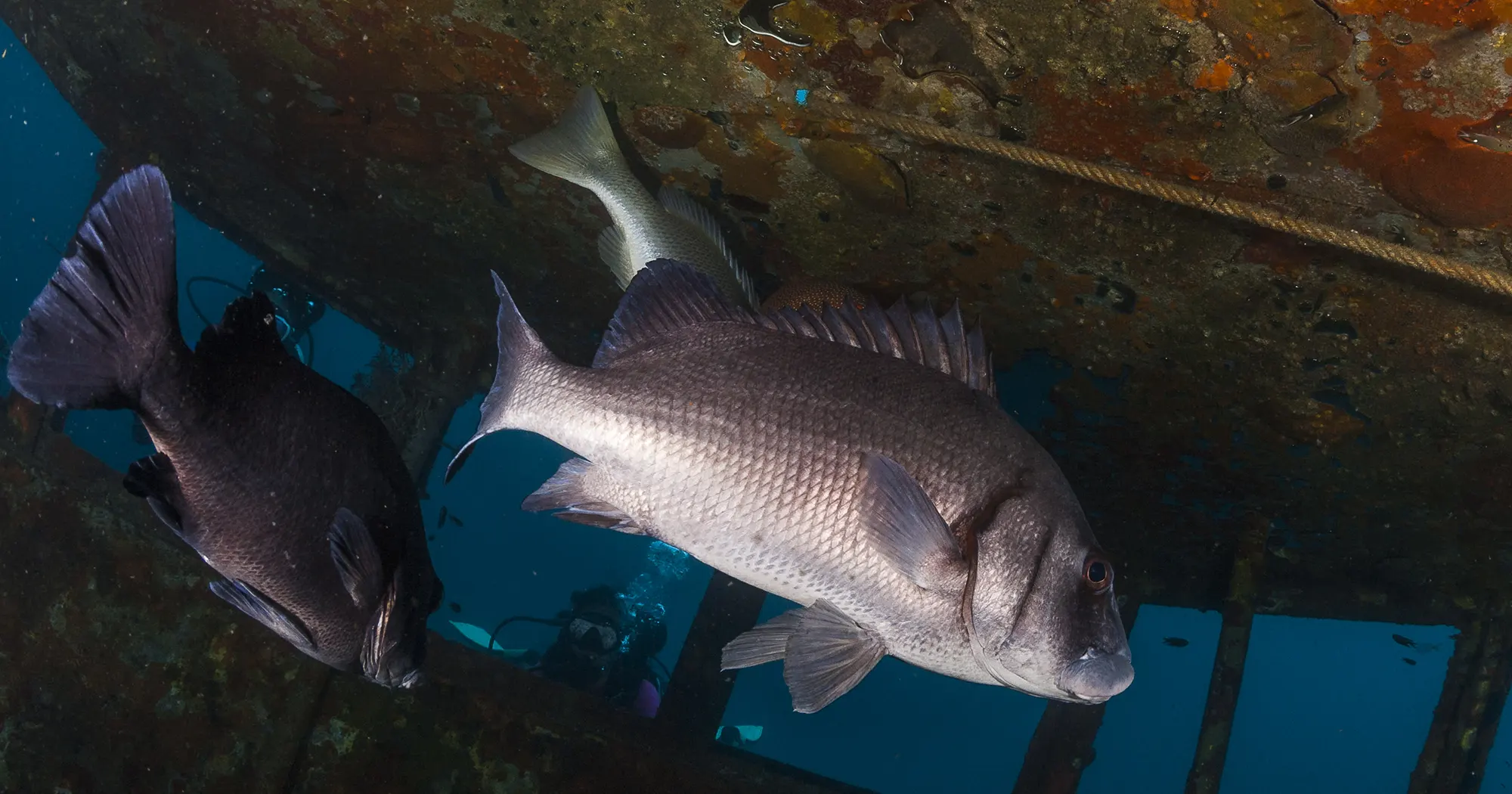
HTMS Hanhak is another artificial reef wreck near Koh Tao. Again sunk in September 2023 same as HTMS Suphairin the wreck is already becoming covered in coral and marine growth, creating habitat for many species.
Marine Life
Batfish, lionfish, groupers and schools of reef fish are often seen around the wreck.
Mango Bay – Koh Tao Dive Site
Suitable for: All levels of diver
Max Depth: 12 metres
Description
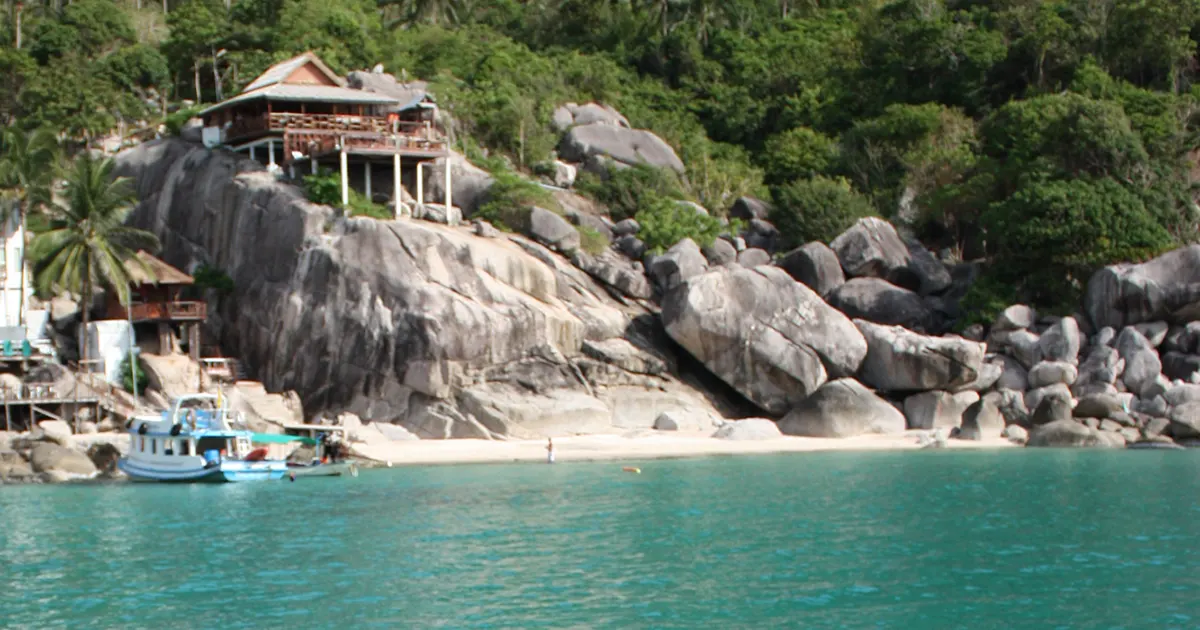
Mango Bay is a sprawling dive site situated on Koh Tao’s north coast. A wide jungle fringed bay extends out from a small beach to deeper water. Scattered throughout the bay are vast hard coral bommies spread across the sandy seabed. Flat topography and shallow depth make Mango Bay an ideal dive site for entry level training and relaxing fun dives.
Marine Life
Mango Bay is populated by tropical reef species including damselfish, wrasses, mullets, butterflyfish and rabbitfish.
More Info: Scuba Diving in Koh Tao
Is Koh Tao good for diving?
Koh Tao is a superb destination for scuba diving for many reasons.
- Variety of Dive Sites: Koh Tao is a small tropical island that is encircled by coral reefs, submerged pinnacles, and monumental rocky boulders. Close to the island, countless unique dive sites are waiting to be explored, from shallow coral gardens packed with marine life to sprawling underwater megaliths. In addition to natural formations, Koh Tao also has several shipwreck sites to dive. Most notable is the HTMS Sattakut – a former Thai naval vessel that rests at a depth of 30 meters near Koh Tao. And in partnership with Thailand’s Department of Marine & Coastal Resources (DMCR), local dive operators have invested effort into coral reef restoration projects around Koh Tao, including the ‘AlotMeant’ dive site directly in front of Simple Life Divers.
- Distance to dive sites: Koh Tao has many dive sites close to the island. Many can be dived directly from the shoreline. Others are a short boat ride away. Basing yourself on Koh Tao means you can quickly reach a tremendous range of nearby dive sites – coral reefs, shipwrecks, pinnacles, and coral conservation projects. Scuba diving from Koh Tao means you get to enjoy more time underwater, and less time motoring back and forth. From other nearby islands (Samui, Phangan), dive operators visit Koh Tao using speedboats. Logistically, it makes much more sense to plan your dive trips from Koh Tao.
- Price of scuba diving: Short distances to dive sites mean quick journey times, low fuel consumption, smaller dive boat overheads, and ultimately great value scuba diving in Koh Tao. Plus low fuel consumption means much less environmental impact and pollution caused by the dive industry, contributing to a lower carbon footprint.
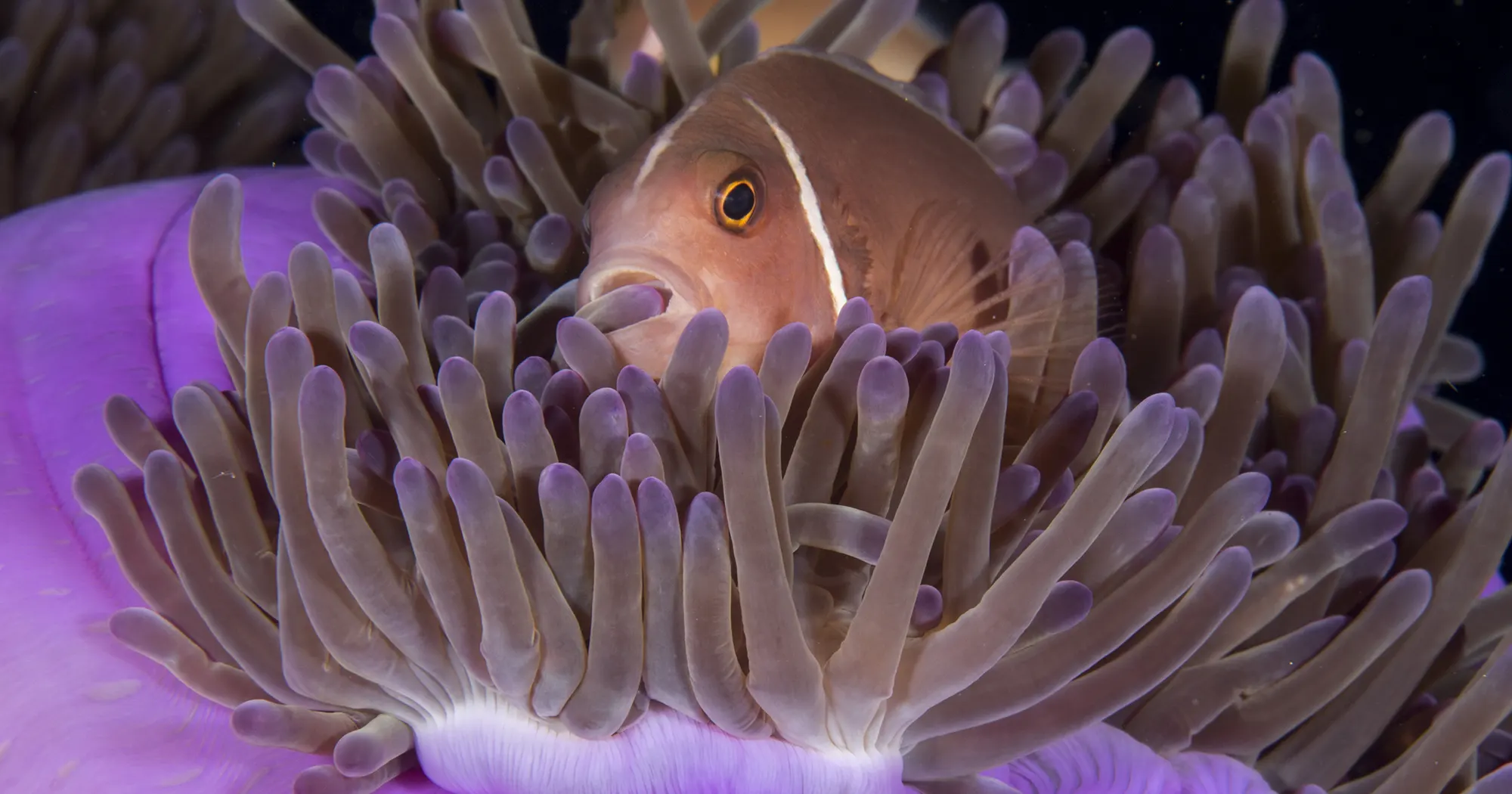
- Marine Life: Dive sites near Koh Tao are home to incredible aquatic life. Close to Koh Tao, you can scuba dive with almost any tropical marine species you might imagine; Reef dwellers such as butterflyfish, wrasses, angelfish, blue-spotted ribbon tail rays, triggerfish, moray eels, lionfish, hawkbill and green turtles, porcupine pufferfish, Jenkins rays, seahorses, clownfish and more. Granite boulders are carpeted with anemones and pink anemonefish, plus you can dive with giant groupers, barracuda, trevally, batfish, remoras, small sharks, and even whale sharks.
- Depth / Difficulty of dive sites. Koh Tao has something for all levels of diver. For beginners and students, dive sites including Mango Bay or Koh Nangyuan’s Japanese Gardens, or Twins & Buoyancy World offer a mix of kaleidoscopic coral reefs near sandy areas to fine-tune buoyancy control and build up confidence in shallow water. Intermediate sites such as White Rock, Hin Pee Wee, or Shark Island offer seasoned divers the opportunity to explore deeper, navigating demanding topography and searching for larger marine species. Further out in the Gulf of Thailand, Koh Tao has world-class diving at Chumphon Pinnacle, Southwest Pinnacle, or Sail Rock. These offer the chance to dive deeper, exploring staggering granite megaliths shrouded by schools of pelagic fish. Koh Tao also has multiple shipwrecks to dive; in recreational diver depth range the HTMS Sattakut and MV Trident. Or for technical divers, the ‘Unicorn’ and ‘Torpedo’ wrecks situated north of Koh Tao.
Citation: ✅ Tourism Authority of Thailand – Scuba Diving in Thailand
https://www.tourismthailand.org/Articles/scuba-diving-in-thailand
Citation: ✅ Thailand Department of Marine and Coastal Resources (DMCR)
https://www.dmcr.go.th/

How much does it cost to dive in Koh Tao, Thailand?
For certified divers, the cost to dive in Koh Tao, Thailand starts from just 1000 baht per dive.
At Simple Life Divers, we run two dive trips per day. Morning trips depart around 07:00 am, visiting two dive sites to make two dives before returning by noon. Afternoon trips depart around 12:00 pm, heading to two dive sites and returning by 5:00 pm.
As a certified diver, the price of dives depends on the total number of dives you make:
- Up to 9 dives: 1100 baht per dive
- 10+ dives: 1000 baht per dive
Dive prices are inclusive of all scuba gear, dive guide, boat fees, refreshments, etc. There are no hidden ‘extras’. (Discount is available if you have your own full set of dive equipment).
New to diving and don’t have a certification? The option is to take a PADI course or try scuba diving with a one-day intro dive called ‘PADI Discover Scuba Diving’.
Does Koh Tao, Thailand have whale sharks?
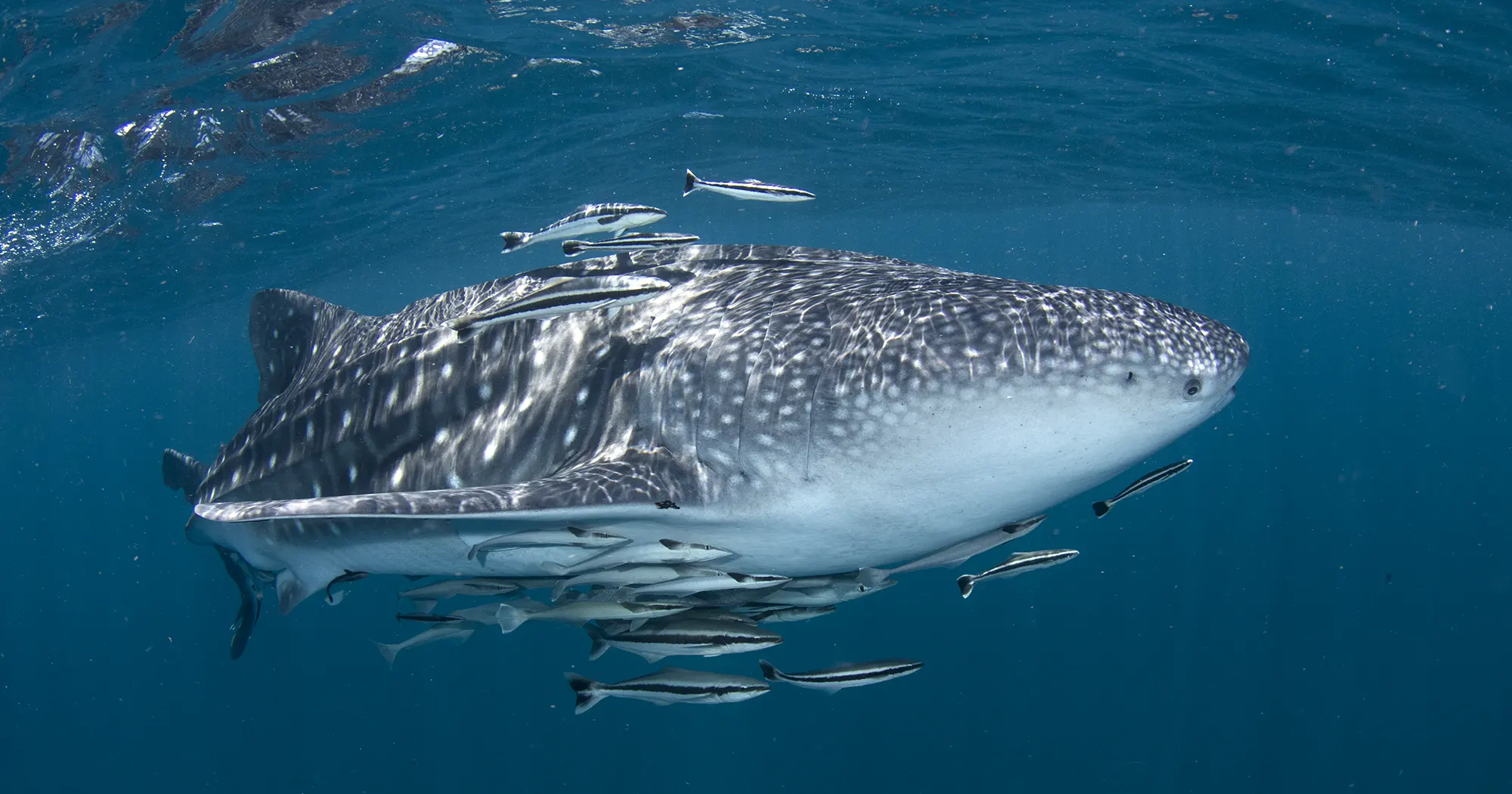
It is possible to see whale sharks whilst scuba diving in Koh Tao, Thailand.
Rhincodon typus, aka whale sharks, are the world’s biggest fish and can grow up to an amazing 18 meters in length.
Whale sharks don’t permanently live around Koh Tao, but periodically migrate through the Gulf of Thailand. As part of their journey, whale sharks can be observed filter-feeding near dive sites off Koh Tao, notably at isolated pinnacle formations such as Chumphon Pinnacle, Southwest Pinnacles or Sail Rock.
Koh Tao doesn’t have whale sharks every day. It’s impossible to guarantee scuba diving with a whale shark in Thailand. You should appreciate, to scuba dive with a whale shark you need to be fortunate. But it can (and does) happen.
Whilst you are diving in Koh Tao, Thailand, if we hear that whale sharks are being seen near Koh Tao we’ll do our best to get you there. Scuba diving with the biggest fish in the sea can be the adventure of a lifetime.
Citation: ✅ PADI – Diving in Koh Tao
https://www.padi.com/diving-in/koh-tao/
Citation: ✅ NOAA – Whale Sharks
https://sanctuaries.noaa.gov/education/teachers/whale-sharks.html

How many dive sites are in Koh Tao?
At the time of writing, there are more than 30 named dive sites around Koh Tao, ranging from shallow coral reefs and granite pinnacles to artificial reefs and shipwrecks.
- Mango Bay
- Lighthouse Bay
- Hin Wong Bay
- Hin Wong Pinnacle
- Laem Thian
- Mao Bay
- Tanote Bay
- Lang Khai
- Aow Leuk
- Shark Island
- MV Trident
- Sai Nuan Beach
- June Juea Beach
- 3 Rocks & Pottery
- Junkyard
- ‘Alotmeant’
- Sairee Beach
- White Rock
- Hin Pee Wee
- HTMS Sattakut Wreck
- HTMS Hanhak Wreck
- HTMS Suphairin Wreck
- Japanese Gardens
- Biorock / Hin Fai
- Twins & Buoyancy World
- NoName Pinnacle
- Green Rock
- Nangyuan Pinnacle aka Red Rock
- Chumphon Pinnacle
- Southwest Pinnacle
- Unicorn Wreck (technical diving depth)
Beyond Koh Tao’s immediate reefs, pinnacles and wrecks, there are even more dive sites to explore within dive boat range. Most notable are; the famous Sail Rock dive site, Samran Pinnacle, Mu Koh Ang Thong and the Torpedo Wreck (suitable for technical divers).

What is the best way to see Sail Rock (dive site)?
The best way to dive Sail Rock is by joining a dedicated dive boat trip from either Koh Tao or Koh Phangan.
Sail Rock (called Hin Bae in Thai), is a tiny rocky islet situated roughly midway between Koh Tao and Koh Phangan. Jagged rock walls of the island plunge steeply beneath the ocean surface to a depth of roughly 25-28 meters where they meet the seabed. The dive site is encrusted by corals and features a unique vertical chimney swim-through and expansive ‘secret pinnacle’ situated a short swim from the main dive site. It’s possible to see huge amounts of marine life including whale sharks, placing Sail Rock among the most renowned dive sites in Thailand.
At Simple Life Divers, from our base on Koh Tao, we dive Sail Rock as a full-day trip due to the distances and transit times involved. We run Sail Rock as a two or three dive trips, sometimes combining with Samran Pinnacle, Southwest Pinnacles or Shark Island depending on the sea conditions.
Because we’re aboard the dive boat for an entire day, we prefer to run Sail Rock trips whilst the ocean is calm, wave heights are low and the weather favorable, so everybody enjoys a fantastic day that is memorable for all the right reasons.

What is the best time to dive in Thailand?
Koh Tao’s secluded location in the Gulf of Thailand means that scuba diving can be enjoyed all year round.
On most days, the weather throughout the Gulf of Thailand is hot and sunny with low wave heights and outstanding diving conditions.
In the Southern part of the Gulf of Thailand (where Koh Tao is situated), the exception is that with each November comes the annual monsoon downpour. Throughout monsoon season, a strong north-easterly wind (called Lom Pattaya in Thai) ushers stormy weather; persistent heavy rain showers, bigger waves up to 3 meters in height plus sporadic thunder and lightning. Surface-water runoff from rainfall combined with waves agitating the seabed cause underwater visibility around Koh Tao to drop. Scuba diving is still viable on the sheltered leeward side of the island, but it isn’t as idyllic as the majority of the year.
So if you have flexibility, best would be to avoid Koh Tao’s monsoon season in November / early December. Any other month should be fine for scuba diving in the Gulf of Thailand.
Citation: ✅ PADI – Diving in Thailand
https://www.padi.com/diving-in/thailand/

Are private diving tours available?
Yes, if you’d prefer a more personalised experience, you can book a private dive guide.
Private dive guide: 1,500 THB per dive.
We also offer private boat charters on request. Whether you’re looking for flexible scheduling, underwater photography, family diving, or simply prefer diving with your own guide, we’ll be happy to tailor the day to suit you.
How many divers are assigned to a single dive guide?
We enforce a strict maximum ratio of 4 divers per local dive guide to ensure safety, comfort, and long dive times.
We carefully group our fun divers by certification level and experience. This helps ensure divers with similar experience levels and air consumption are grouped together, so everyone can enjoy longer, more relaxed dives.
What brand of rental equipment do you provide for fun divers?
Our rental fleet consists of premium scuba equipment from trusted brands including Scubapro, Mares, and Aqua Lung.
Every regulator, BCD, cylinder, and accessory is regularly serviced and maintained by our in-house scuba equipment technician to ensure it’s in excellent condition for every dive.
I haven’t dived in over a year. Do I need to take a Scuba Refresher course?
If you have been out of the water for more than 12 months, PADI guidelines require a brief Scuba Refresher (ReActivate) before joining regular fun dives.
This quick, low-stress session takes place in shallow water or a pool during the first hour of your morning or afternoon trip. Your instructor will help you practice mask clearing, regulator recovery, and buoyancy control so you can enjoy your open-ocean dives with total confidence.
Citation: ✅ PADI – ReActivate Scuba Refresher Program
https://www.padi.com/courses/reactivate
More Google Reviews
4.9 rating from 1,295 Google reviews


